Fintech · Product & UX/UI Design
GOAT
Leading Product Expansion in a Fintech Ecosystem
Leading Product Expansion in a Fintech Ecosystem
GOAT operates as a Payment Service Provider in Argentina's fintech ecosystem — the infrastructure layer that lets other financial products actually move money. When I joined, the platform was live but narrow in scope. Over the following years, my job was to help it grow into something much bigger, one integration at a time.
GOAT sits inside a holding structure alongside Rebit, the consumer-facing wallet — same infrastructure, two products, two audiences. I worked directly with the CEO on strategy and scope, and led a team of four UX/UI designers responsible for the interfaces across both products.
The real challenge was expanding without disrupting what already worked. Every new service — utility payments, card collections, interbank transfers — had to be designed around existing infrastructure, existing users, and existing revenue. There was no room to break what worked in order to build what was next.
And every integration meant a new working relationship: banks, card processors, bill-payment networks, each with its own technical team, requirements and timelines. Translating that disparity into coherent, predictable flows became a central part of the work, before a single line of code was written.
Each integration started with a technical meeting where I worked alongside the CEO and the external provider to understand what was actually possible to build. These weren't design meetings — they were finance and engineering conversations, and I had to hold my own in them to extract the real requirements.
From there, I mapped the user flows before any UI work began, documenting every decision point, error state, and edge case. In fintech, edge cases aren't an afterthought — a missed error state on a payment flow isn't a bug, it's a support ticket or a chargeback.
Flows were handed to development as annotated Figma files, with no room for interpretation. The dev lead and I aligned on behavior before handoff, which meant no back-and-forth once engineering started. In parallel, I kept the four-person UX/UI team moving at the same velocity, reviewing fidelity and maintaining the design system as new patterns were introduced — on a system that was still being defined as we built it.
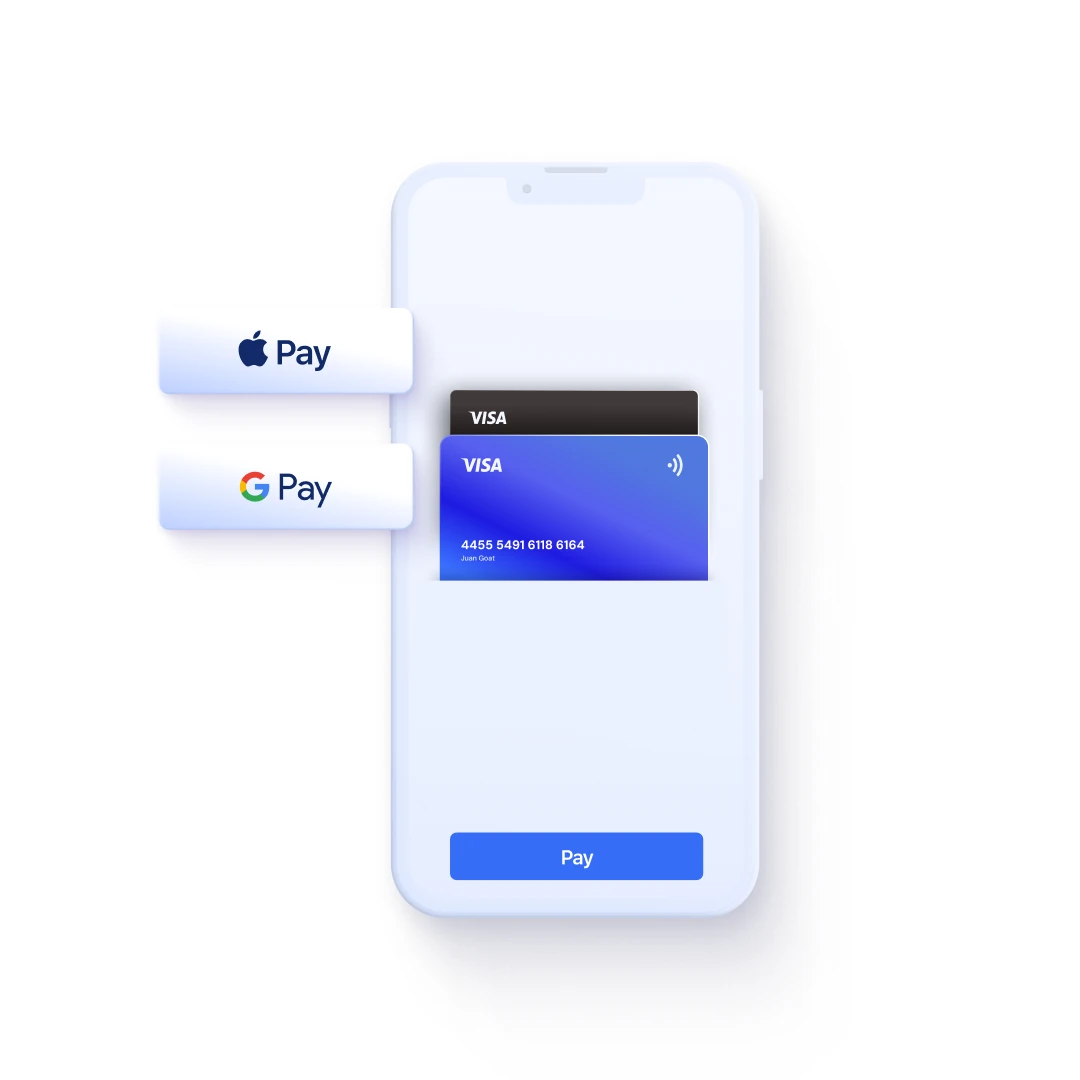
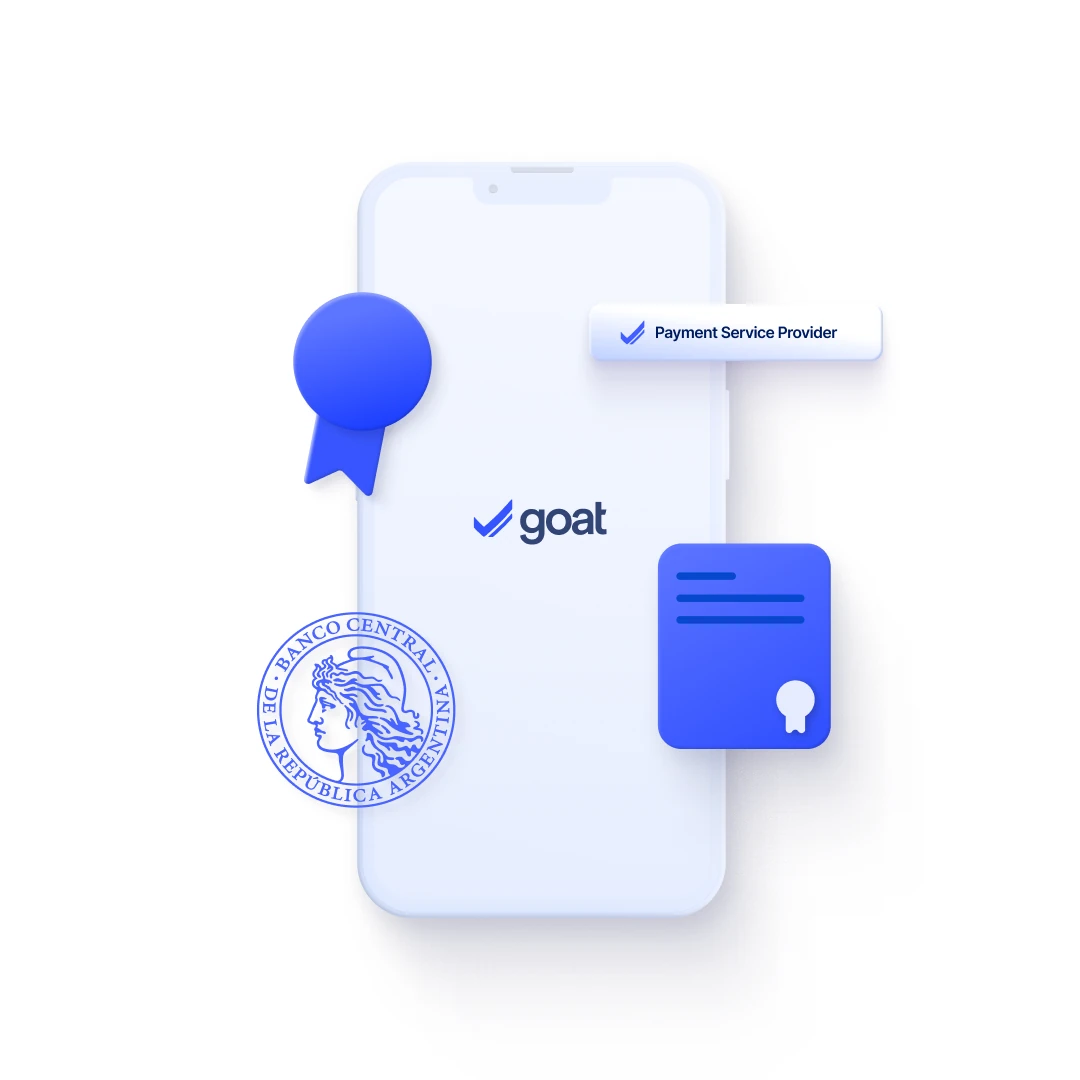
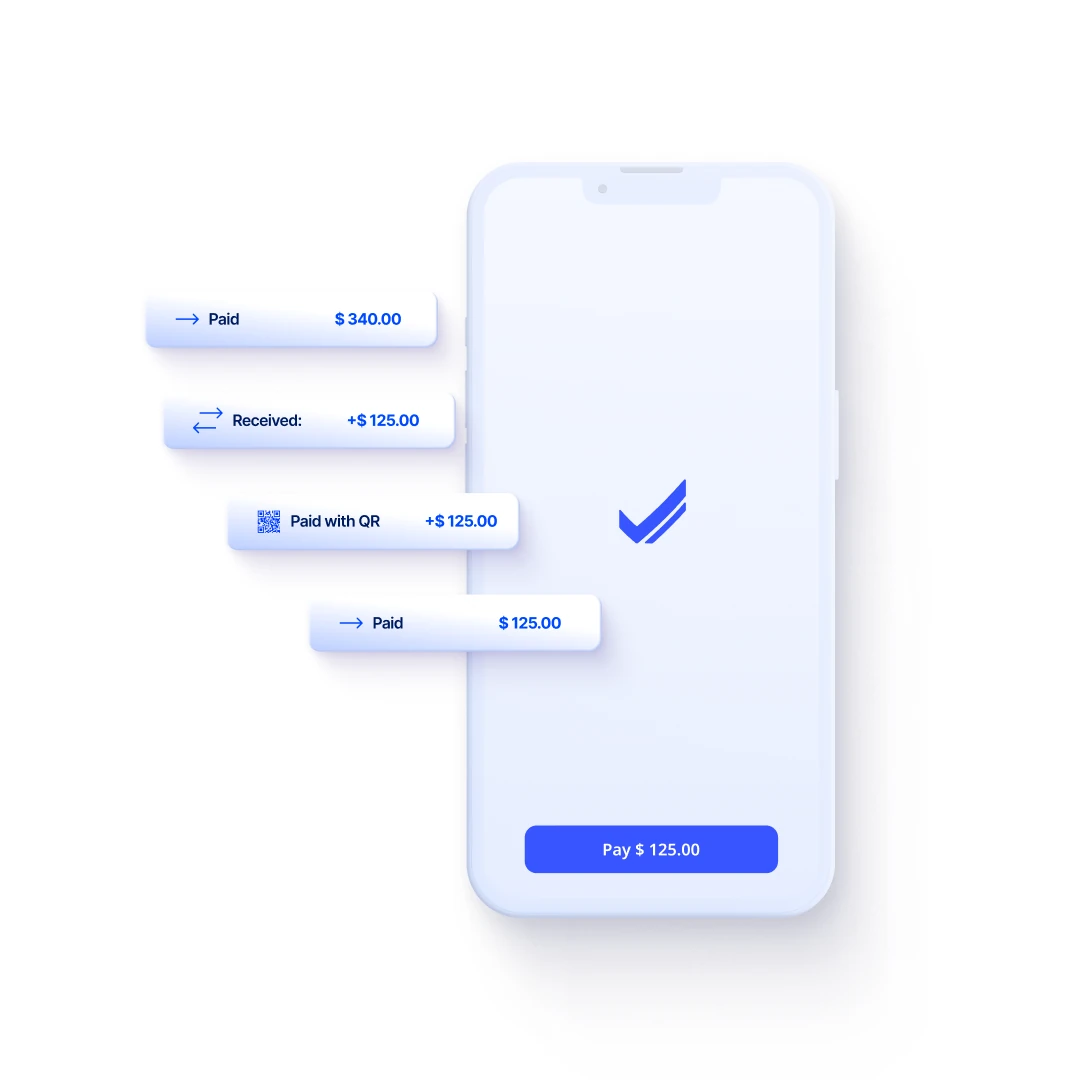
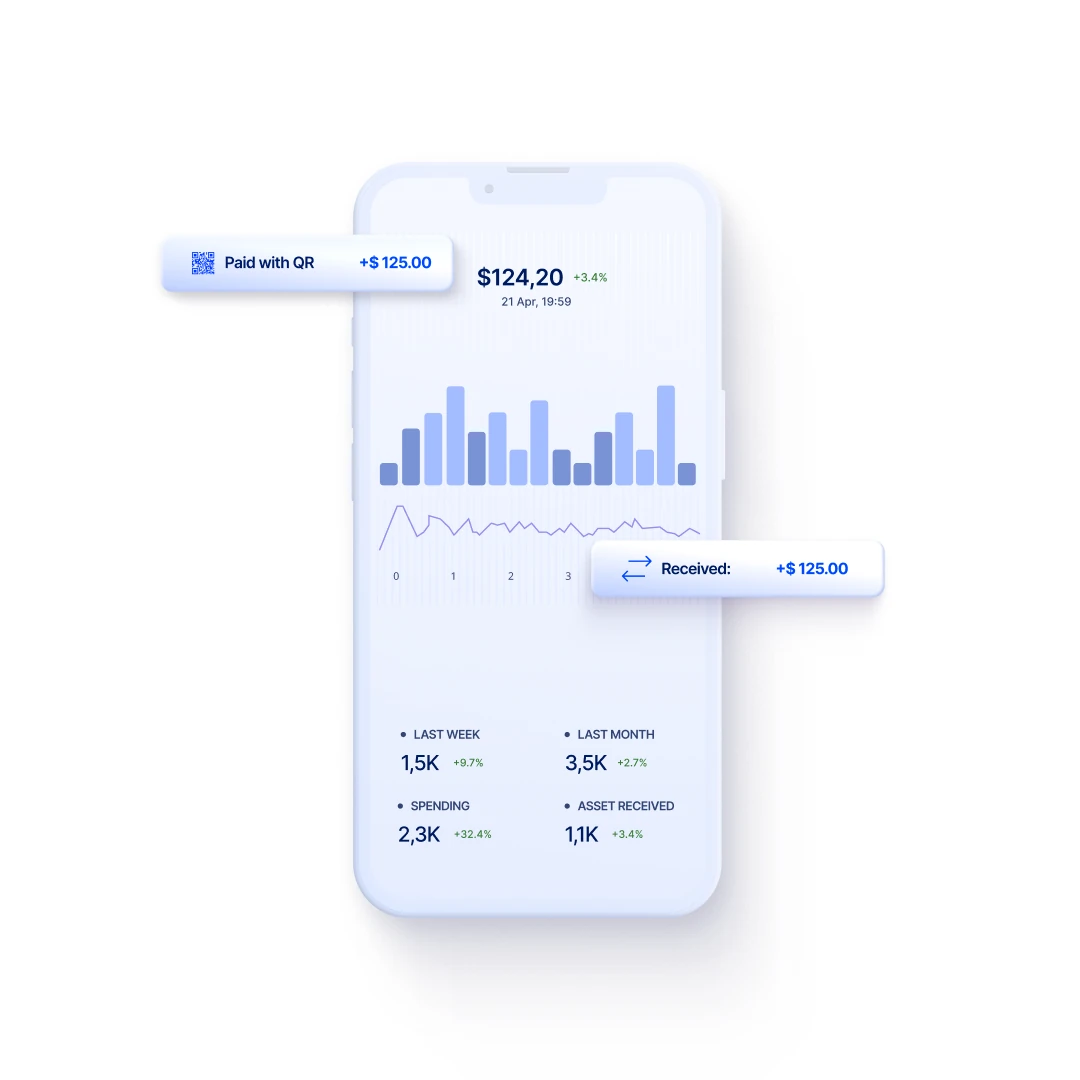
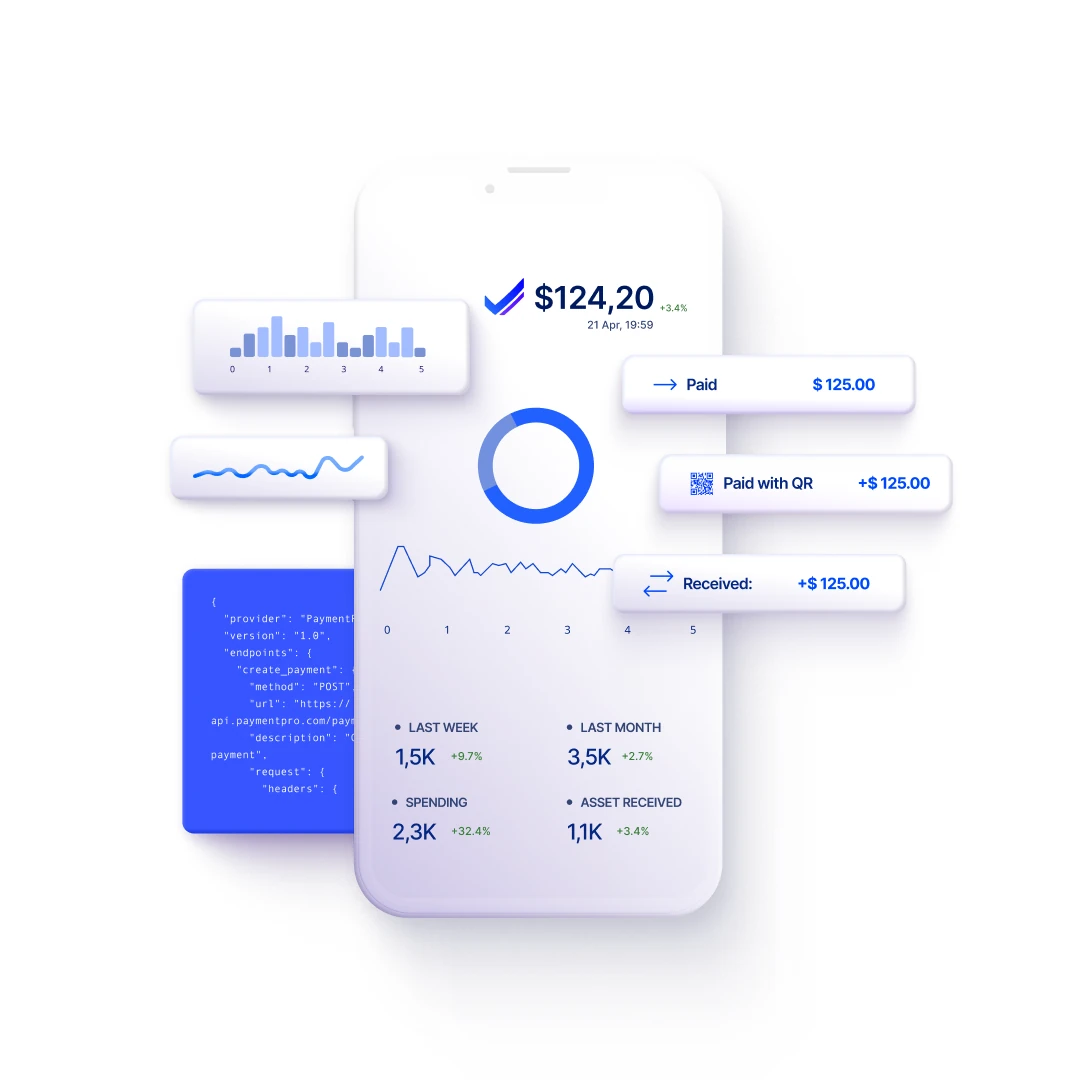
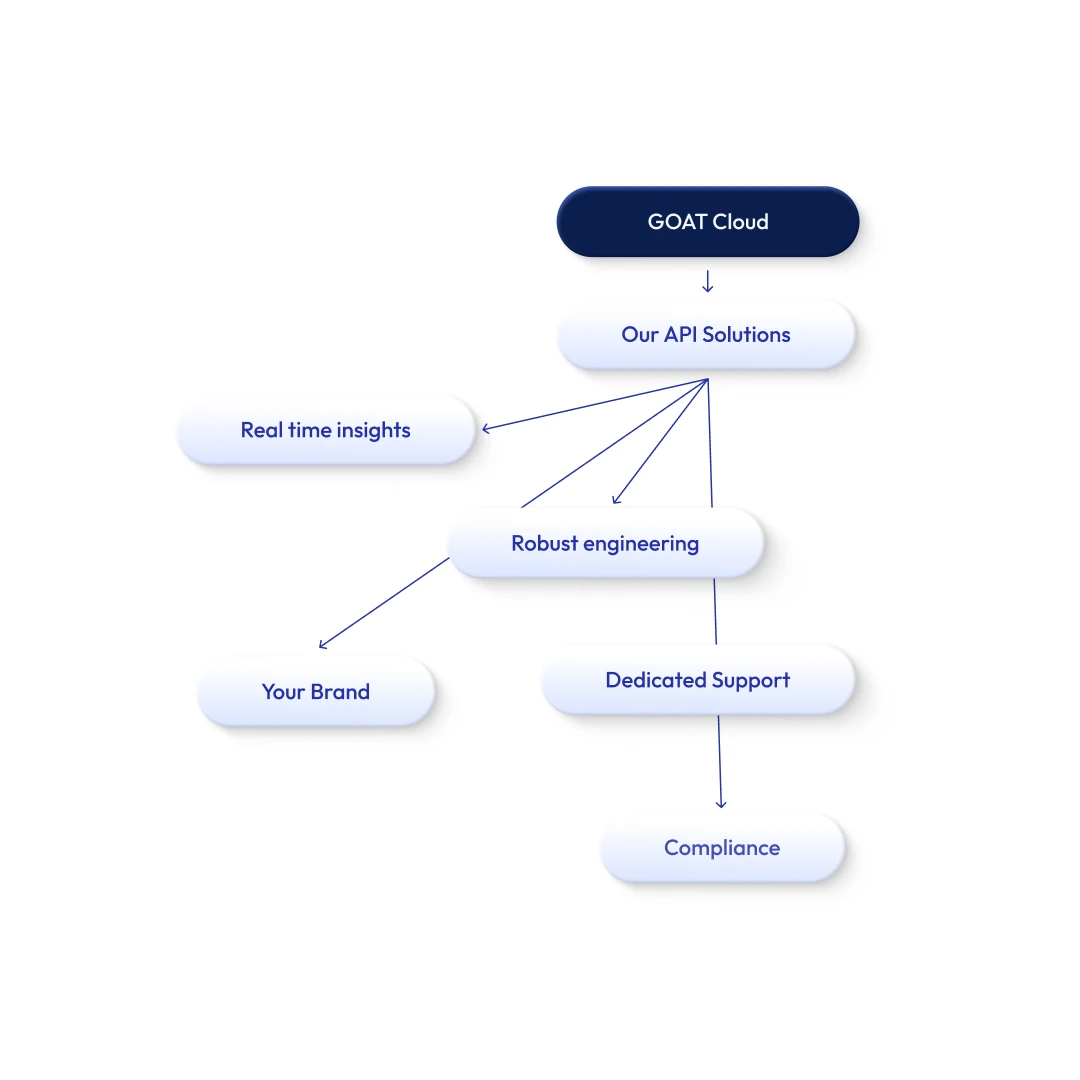
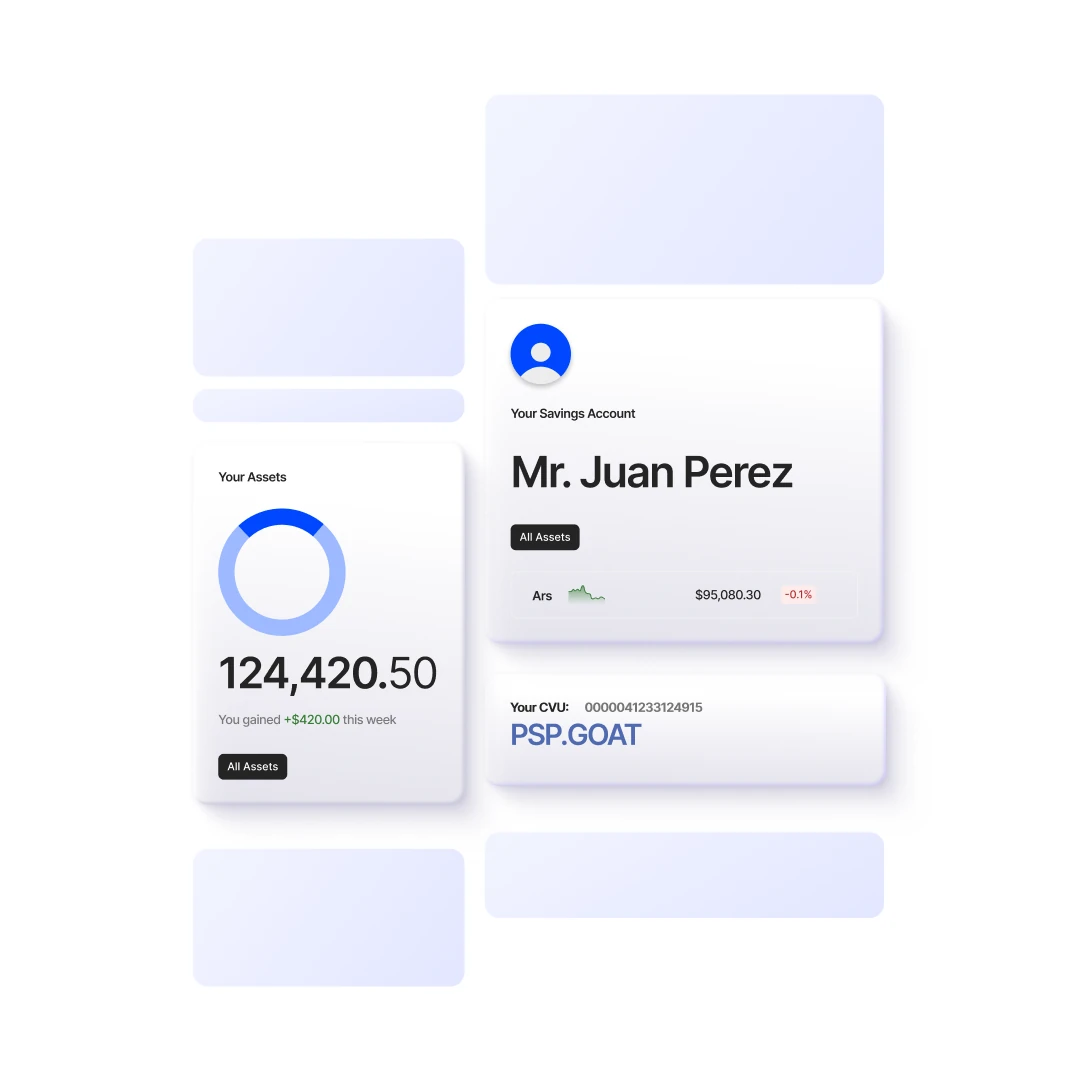
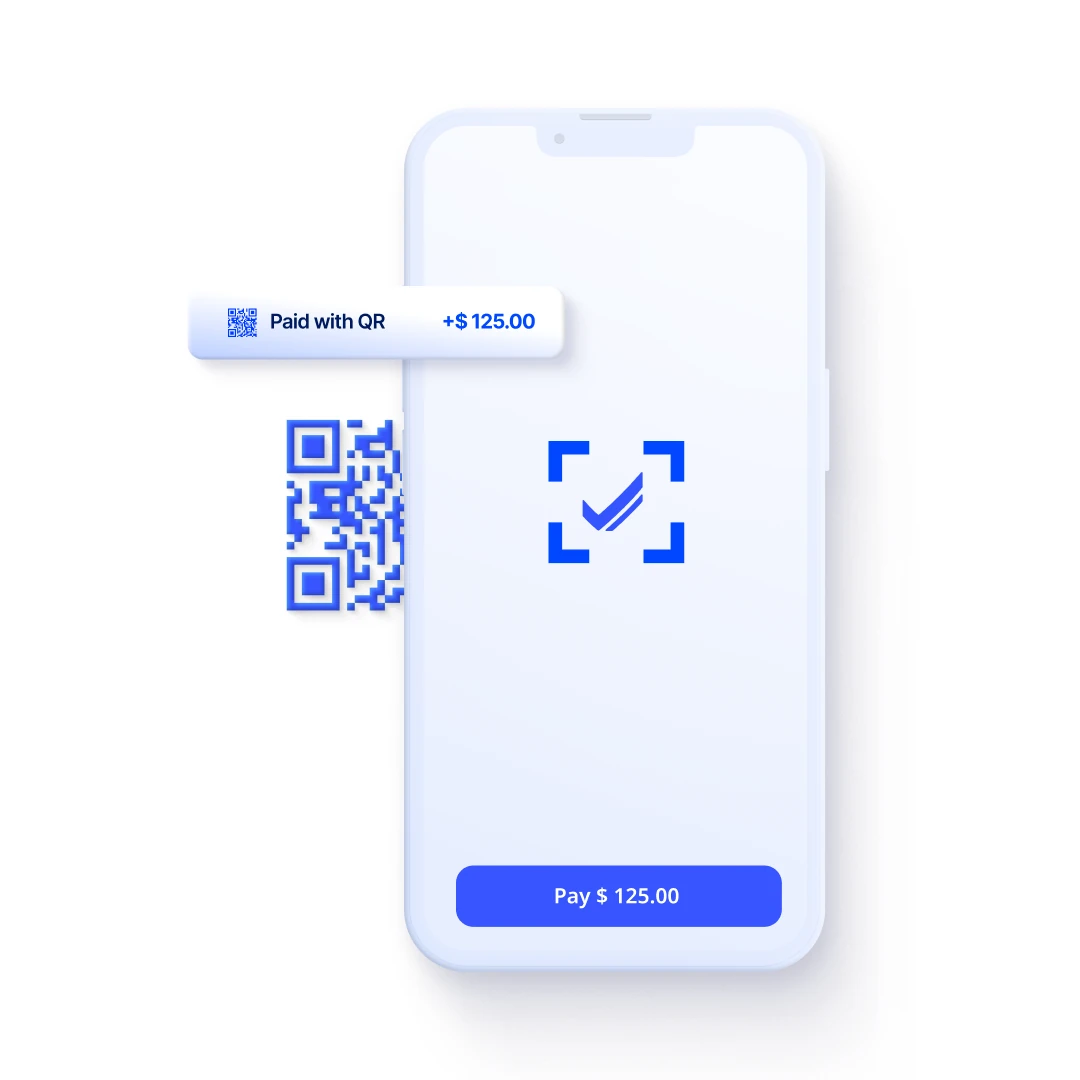
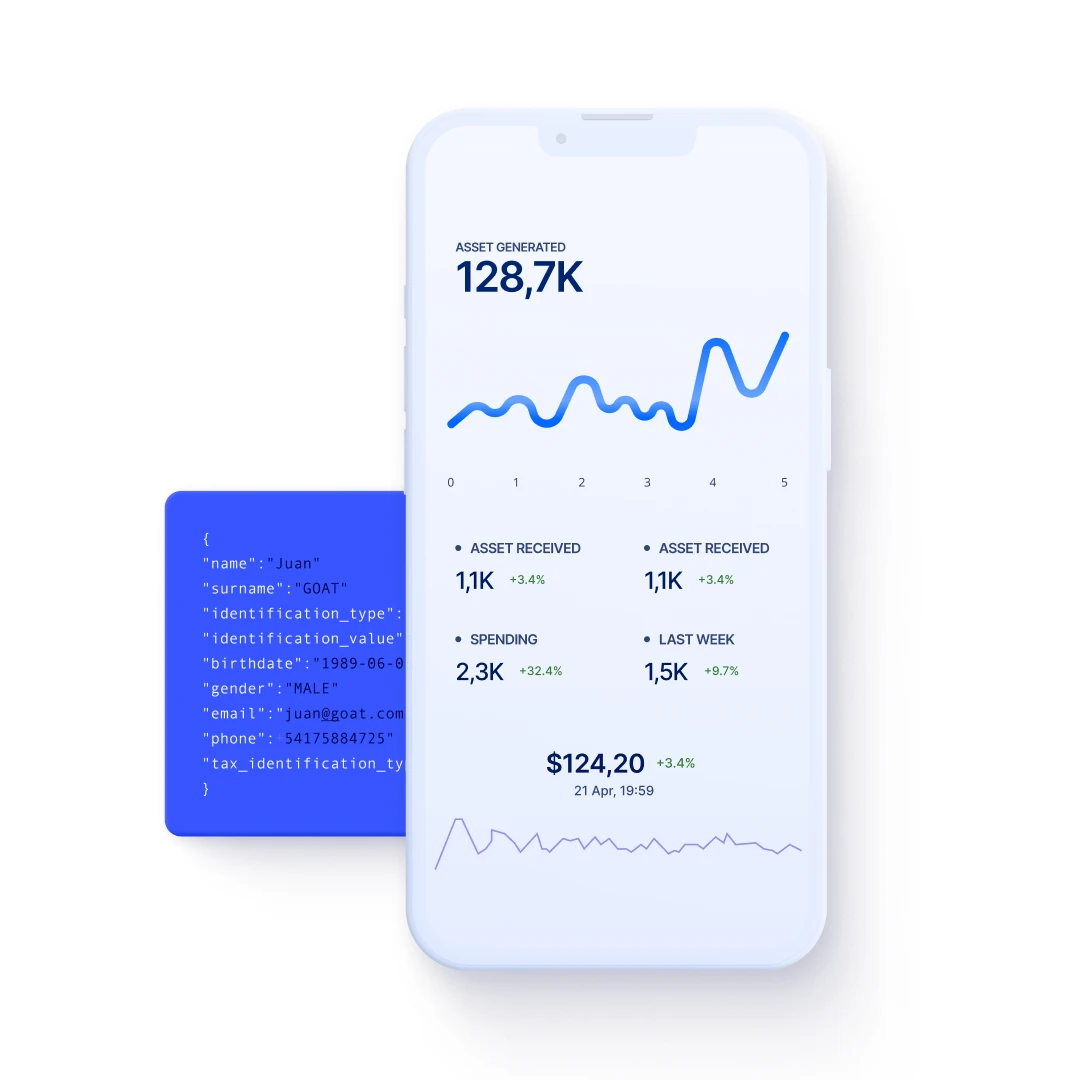
Alongside the product work, I designed GOAT's visual identity from the ground up — a primary and secondary logo system, and a library of illustrations built to explain financial infrastructure to an audience that doesn't think in flows or APIs.
The illustration set became the connective tissue across the platform and its commercial material: abstract enough to stay on-brand, concrete enough that a business owner could look at one and understand what the product actually does.








During my time at GOAT, the platform grew from 10 to 20 B2B clients, and monthly processing volume reached over 1.5B ARS. Prisma was fully activated for payments and collections. Rebit Comercios — a separate product I later led end-to-end — was designed and launched from that same infrastructure.
What I took from GOAT wasn't a specific flow or screen — it was the shift from designing interfaces to designing systems that other systems depend on. When your product sits between a bank's infrastructure and a small business's cash flow, the job stops being about pixels and starts being about trust. It also taught me to be comfortable being the only designer in a room full of engineers and finance people — that's where the real requirements live.