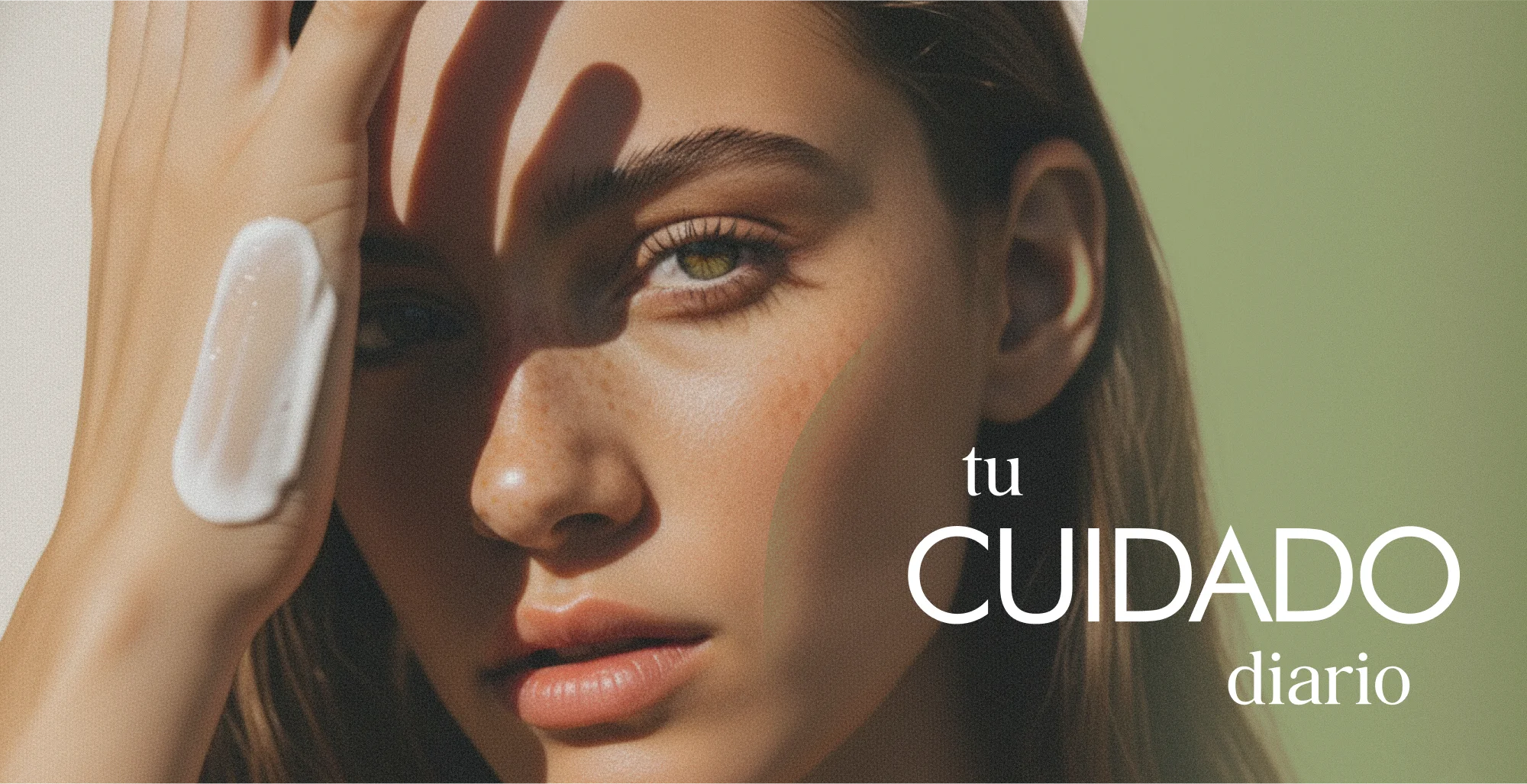
Freelance · Skincare · Branding, Web Design, Social Content
Rust
Brand Identity, Web & Social Content for a Natural Skincare Brand
Brand Identity, Web & Social Content for a Natural Skincare Brand
Rust needed a skincare identity built on honesty rather than spectacle — natural daily care for people who want real results without the noise that saturates the category.
I built the full brand system from scratch: logo, typography pairing, color palette, and visual rules. The identity leans on restraint and botanical calm — sage green, warm off-whites, and a typographic hierarchy that mixes serif display with clean grotesque. From there I designed the complete e-commerce web experience and a content system for Instagram, using AI-generated imagery as raw material and designing the editorial language on top of it.

The skincare space is saturated with the same aesthetic — clean backgrounds, pastel palettes, and stock-photo energy that could belong to any brand. The challenge was designing something that felt genuinely distinct and trustworthy without being precious about it. At the same time, the same visual language had to hold up across three very different contexts: product identity, a web store, and social content.
Social Content
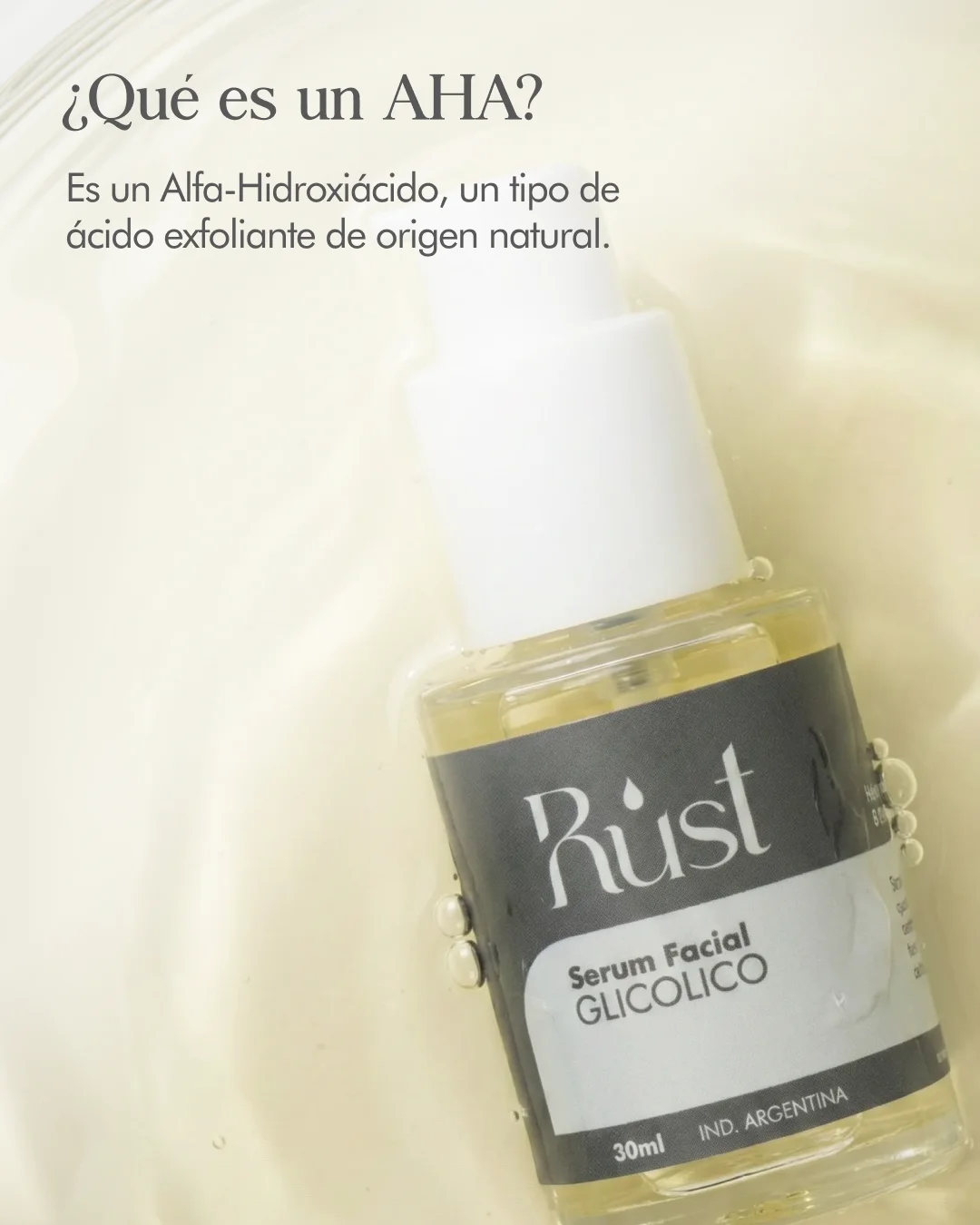
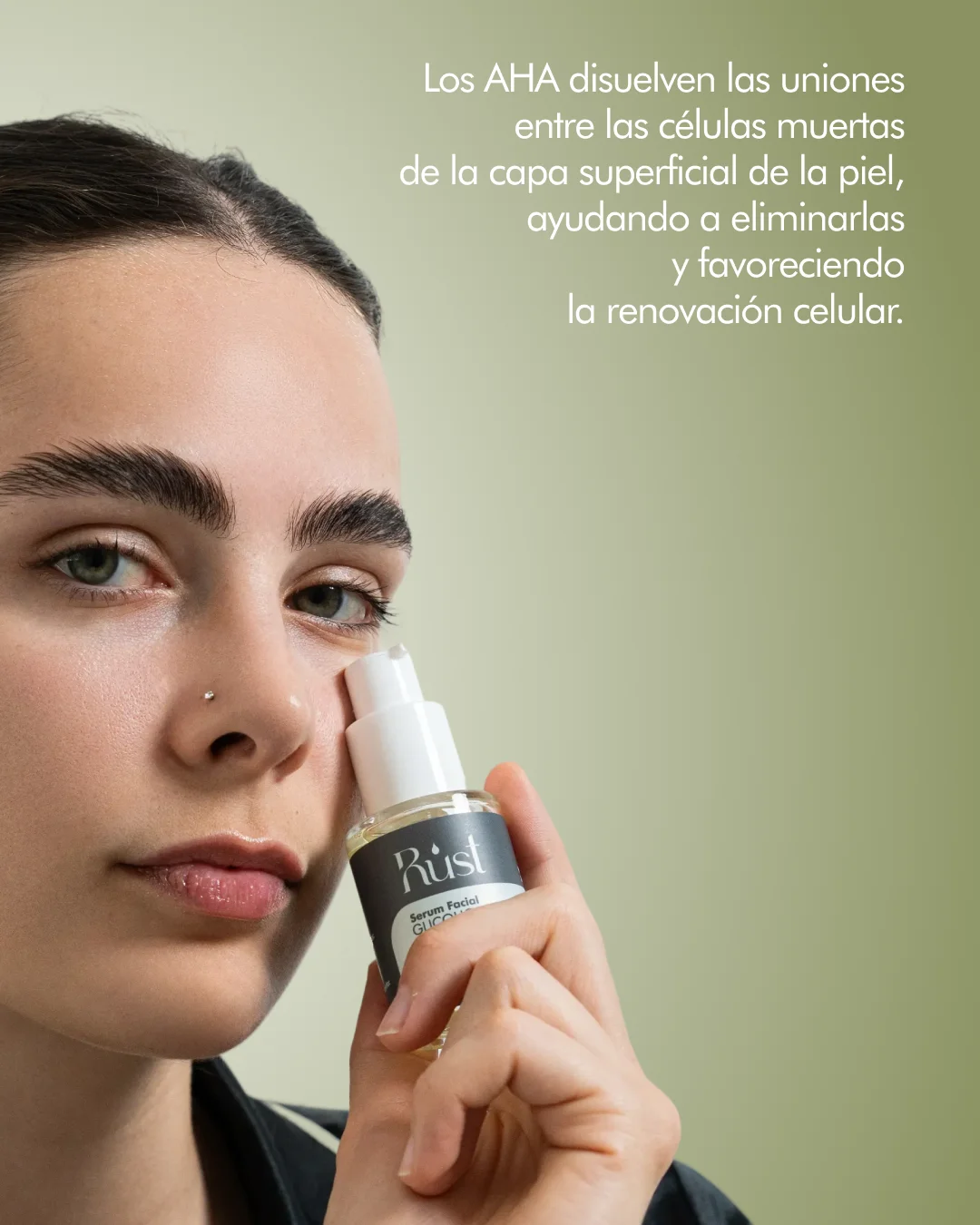
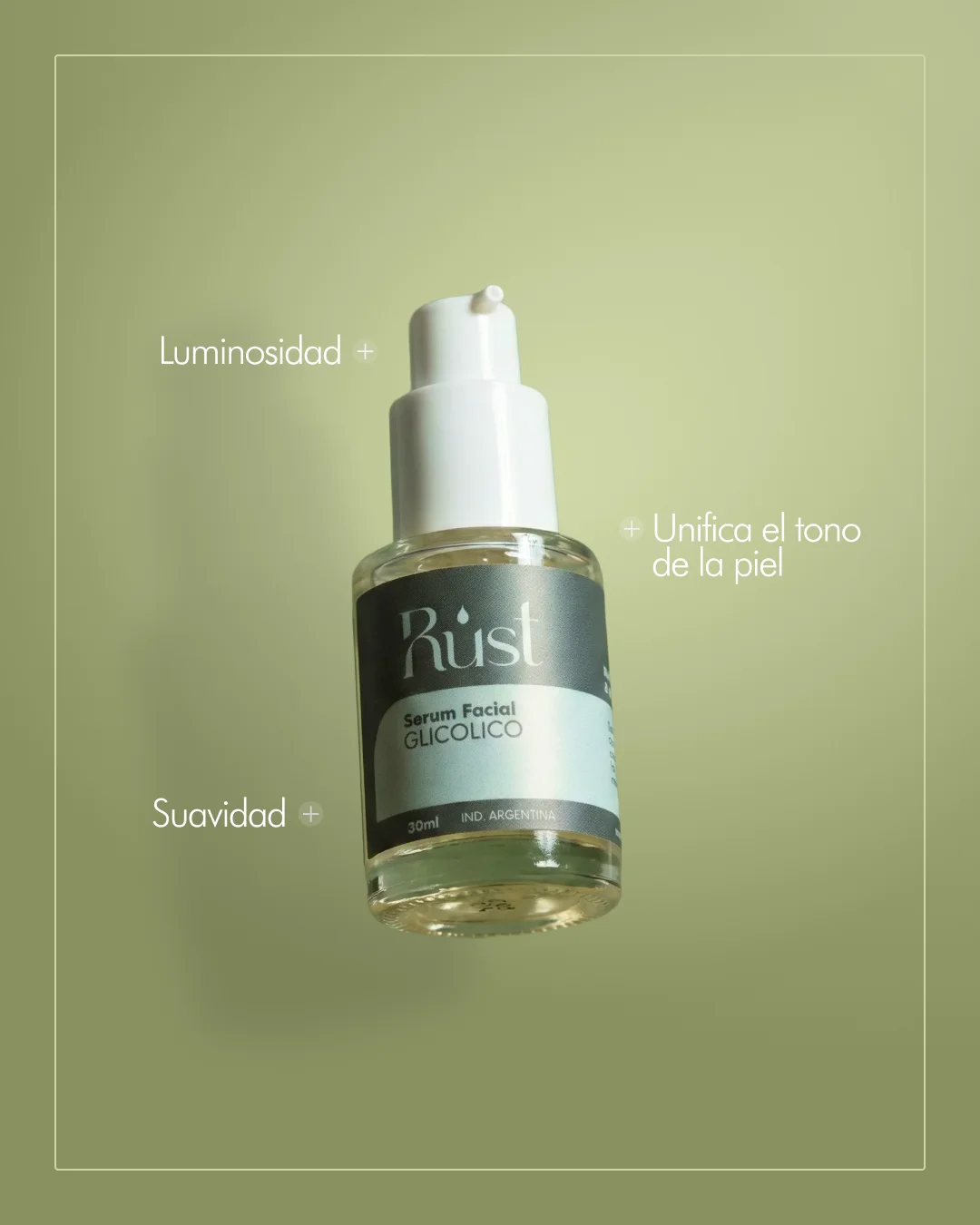
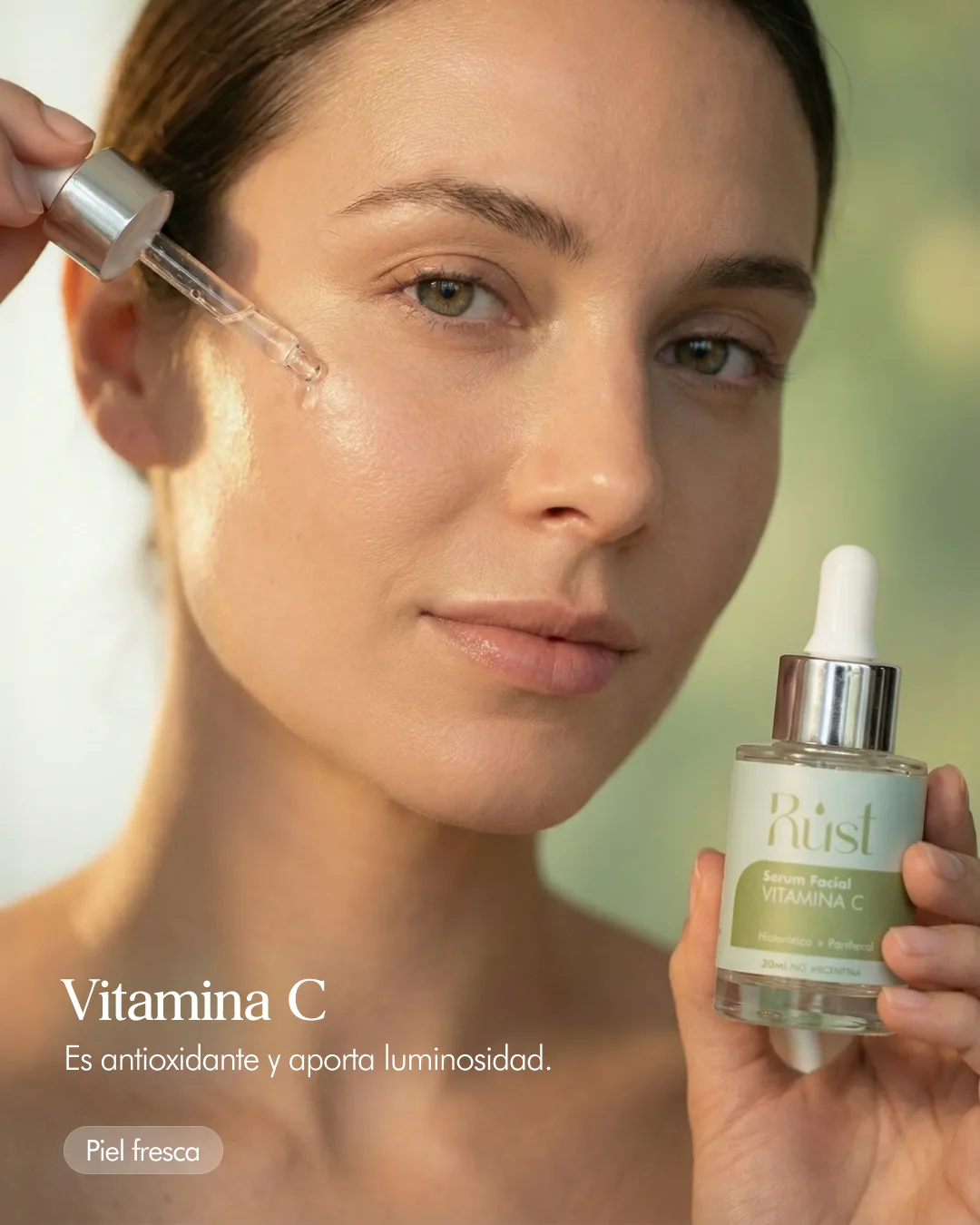
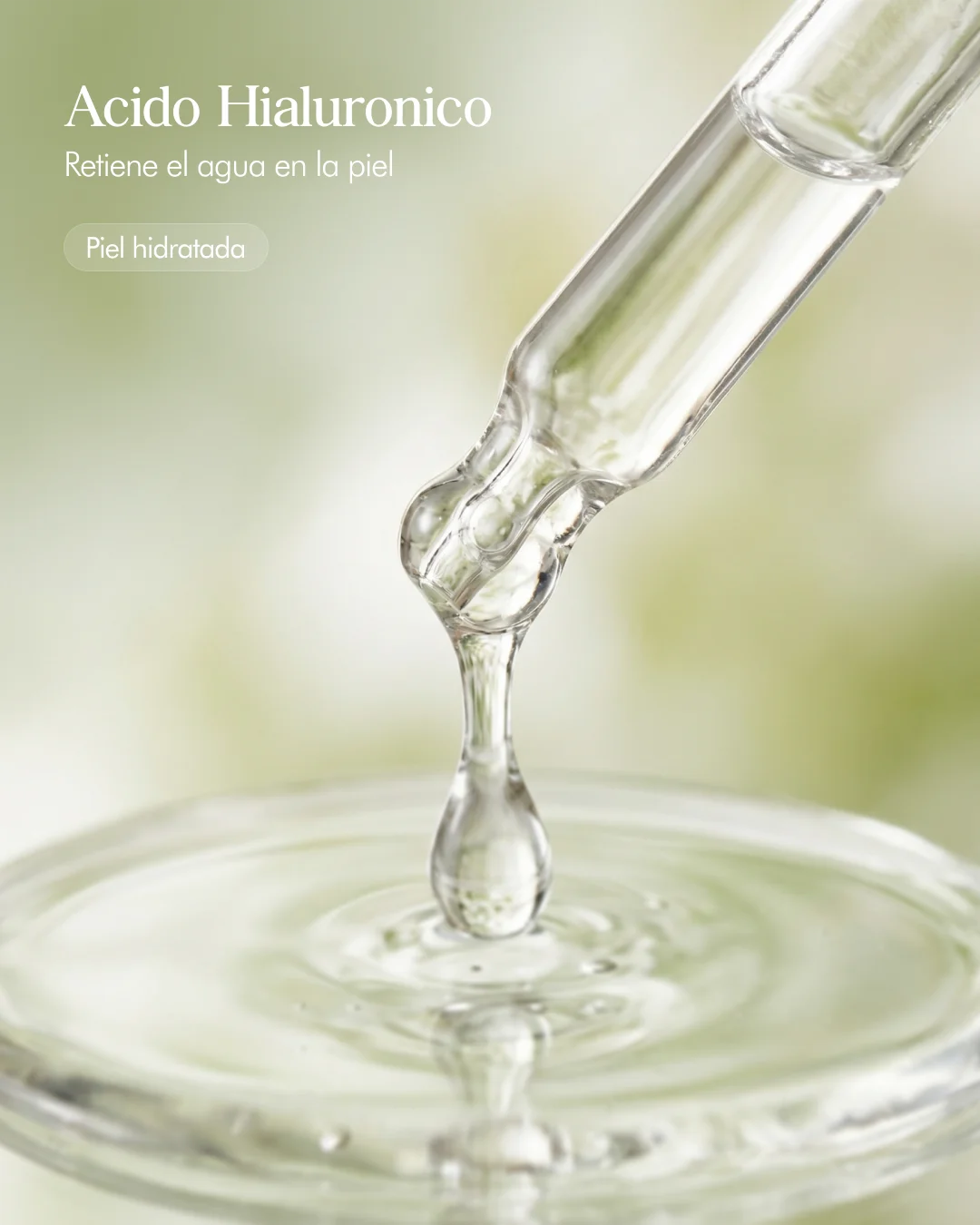
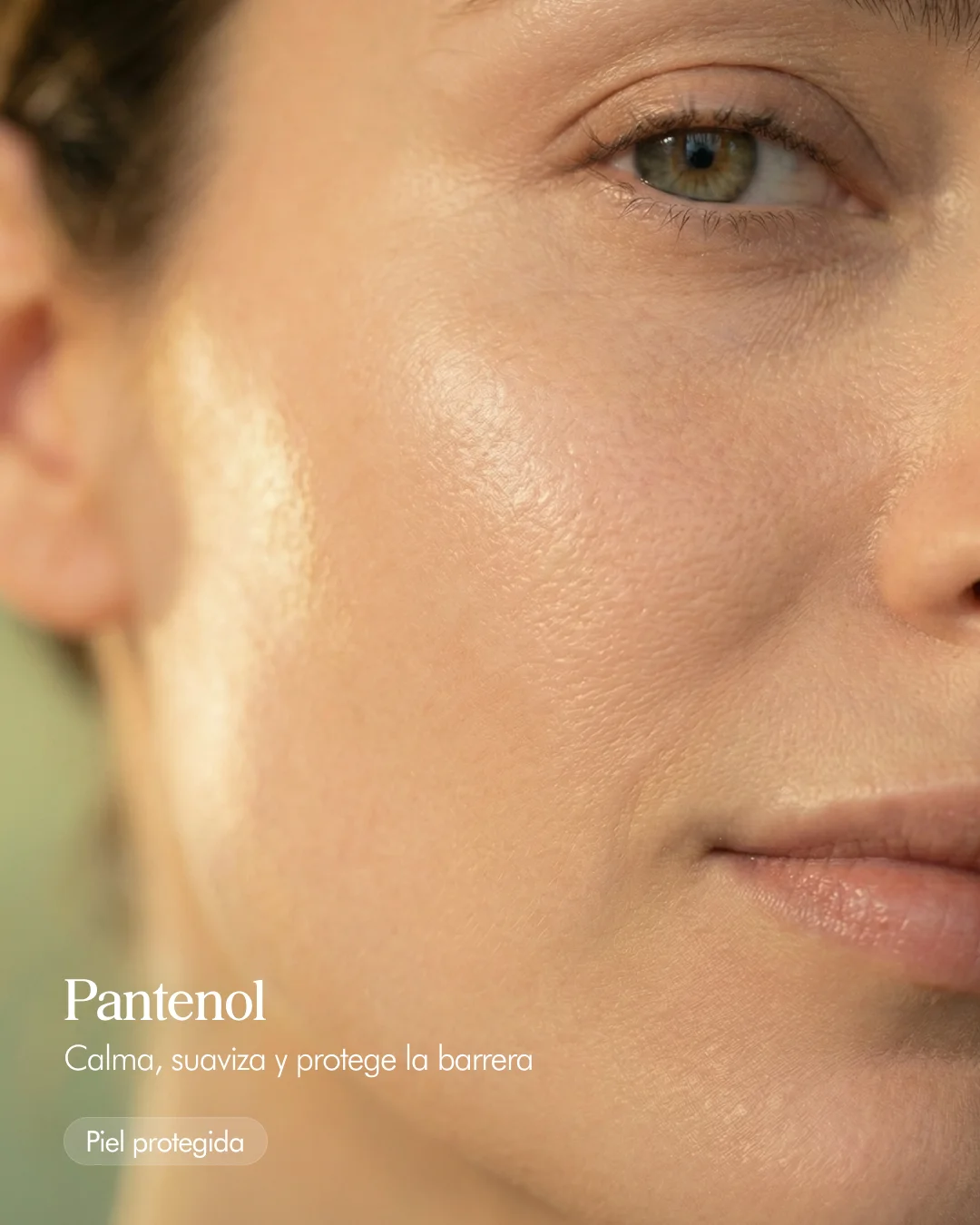
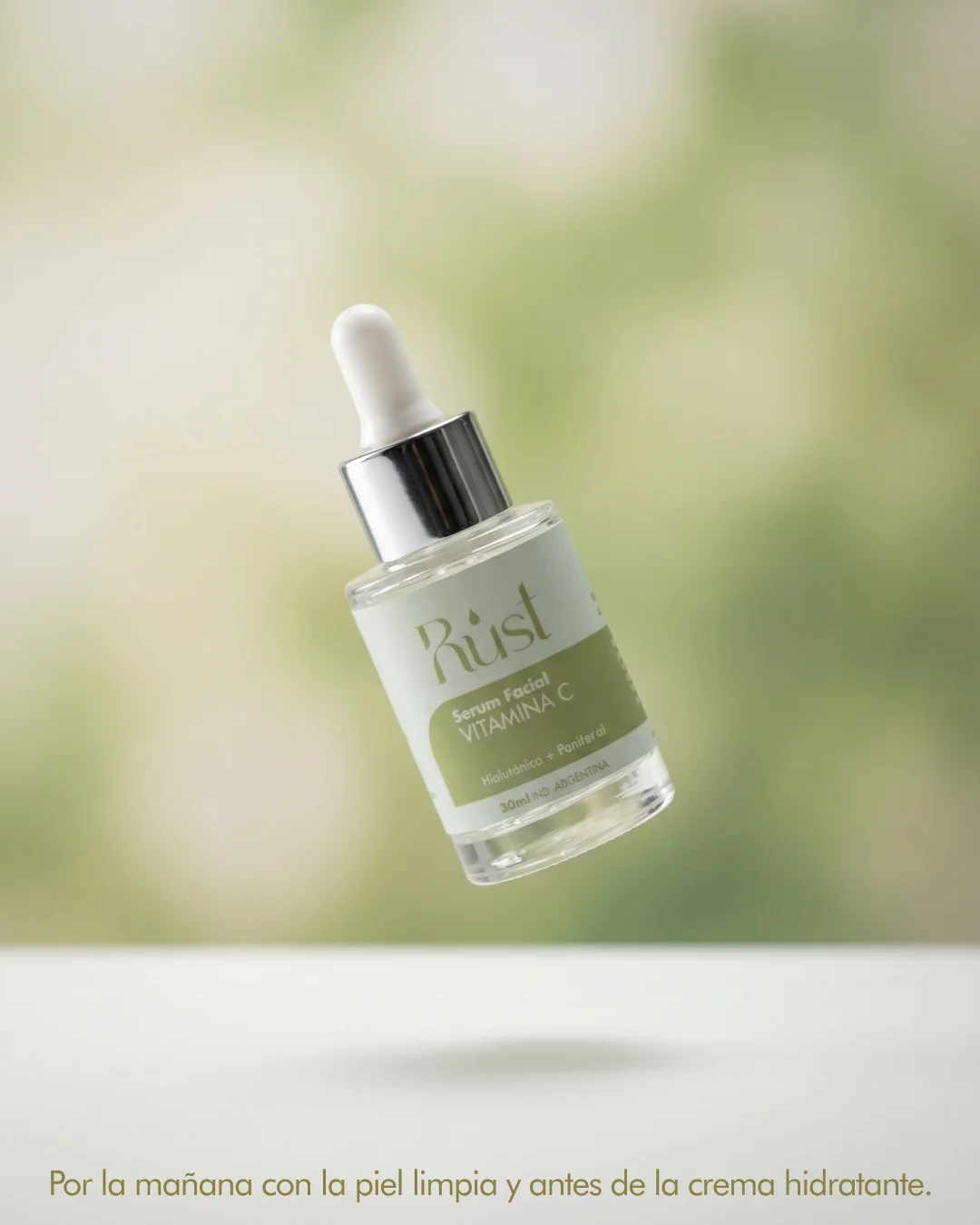
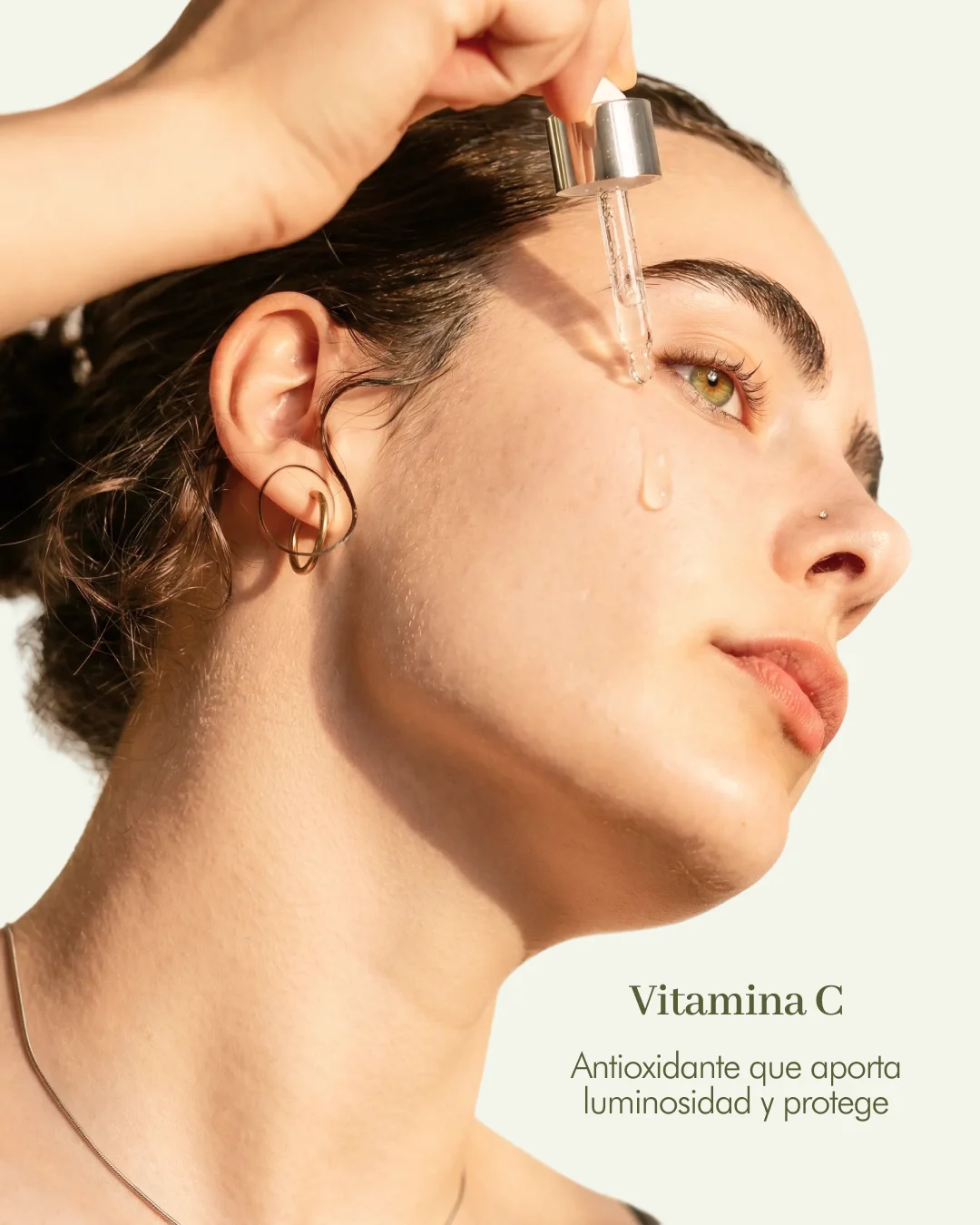
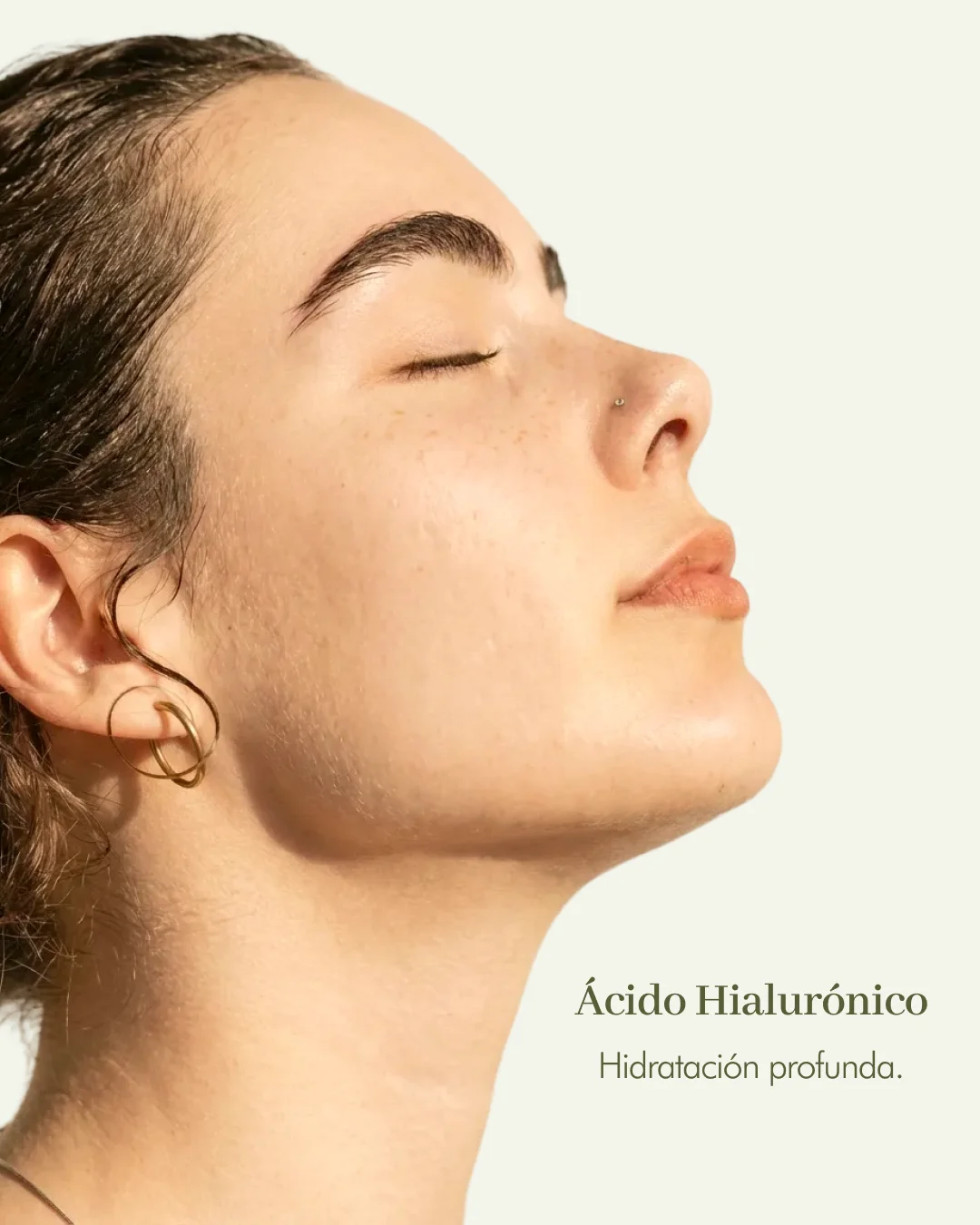
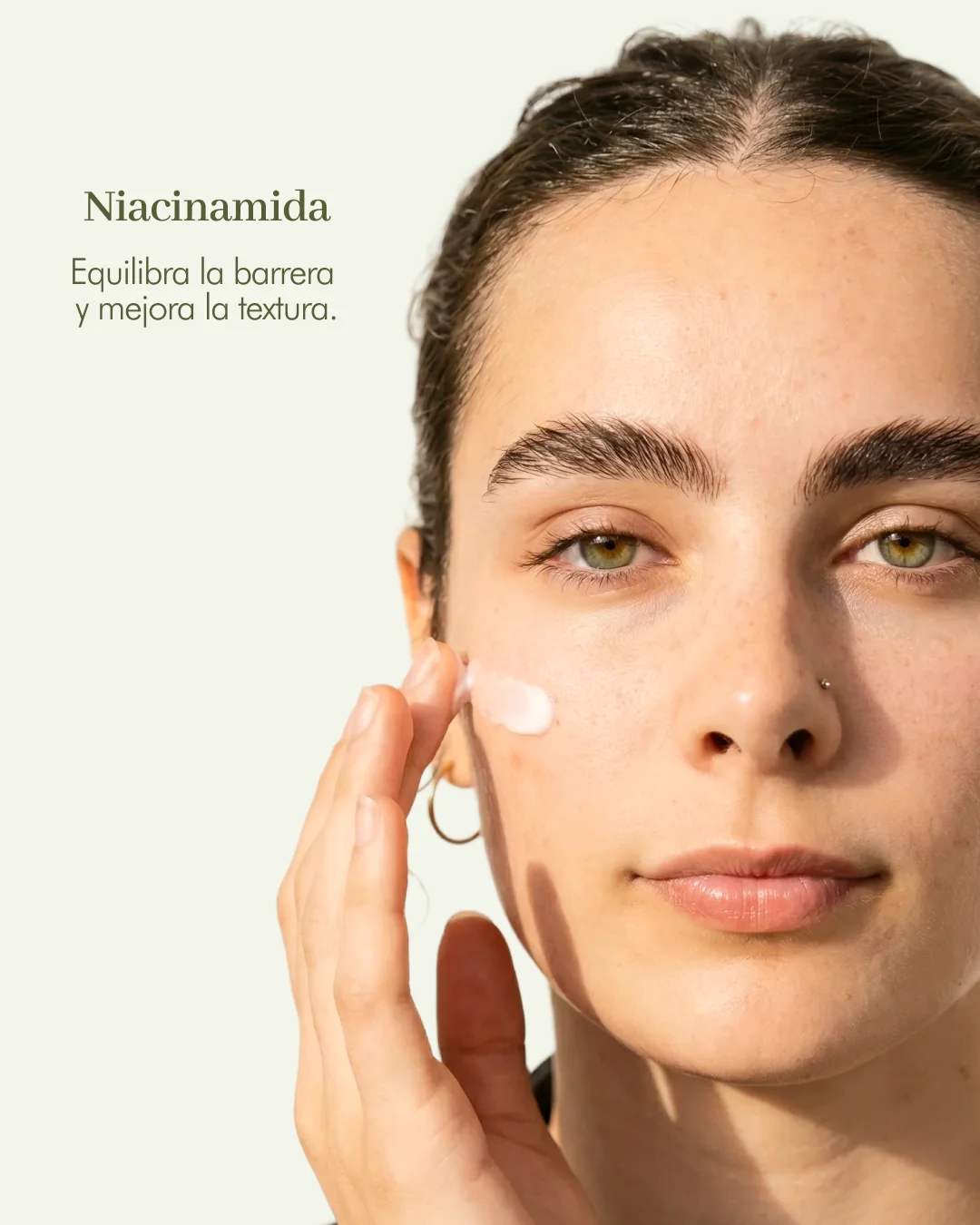
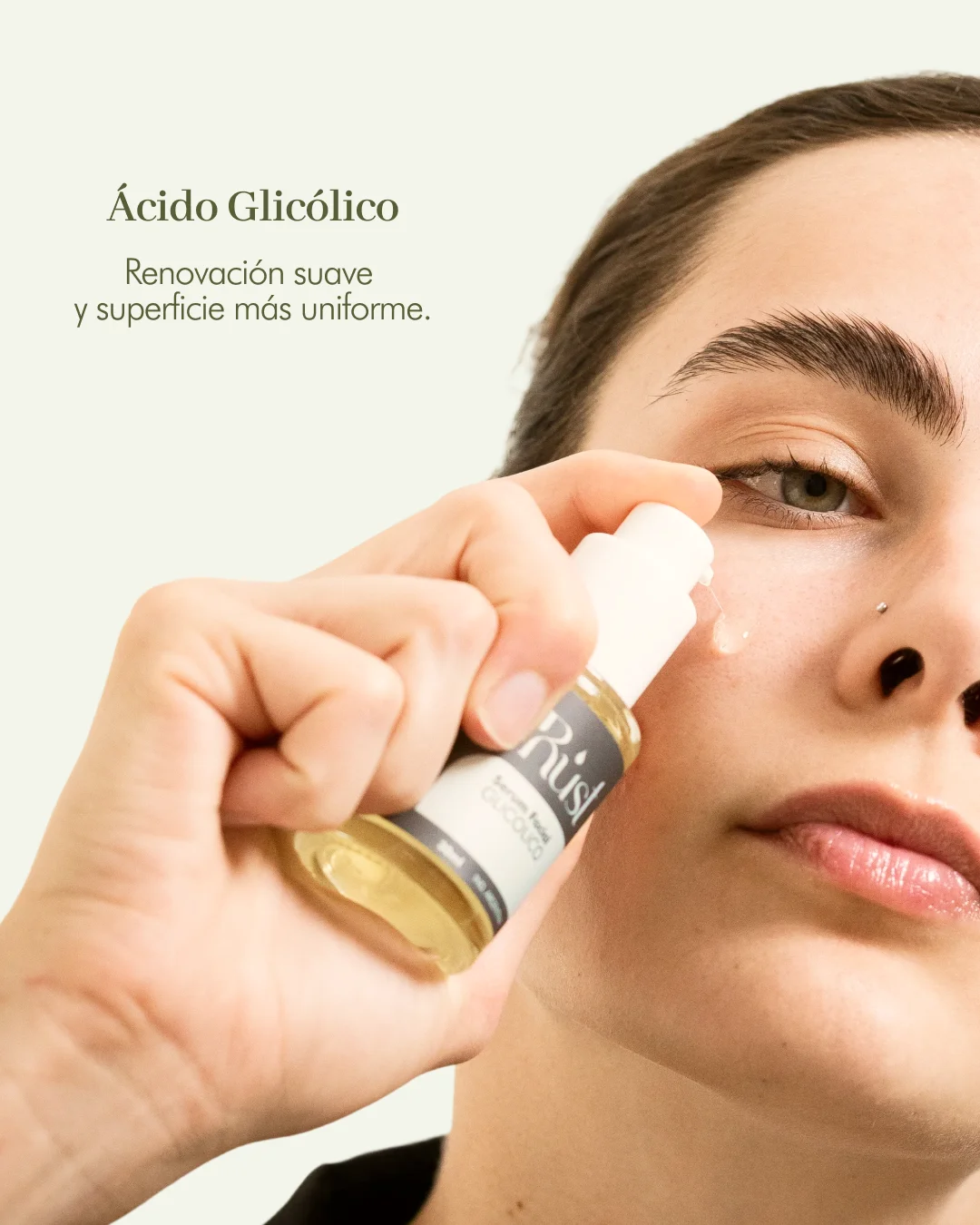
28 posts designed for Instagram — product education, ingredient storytelling, and lifestyle content.
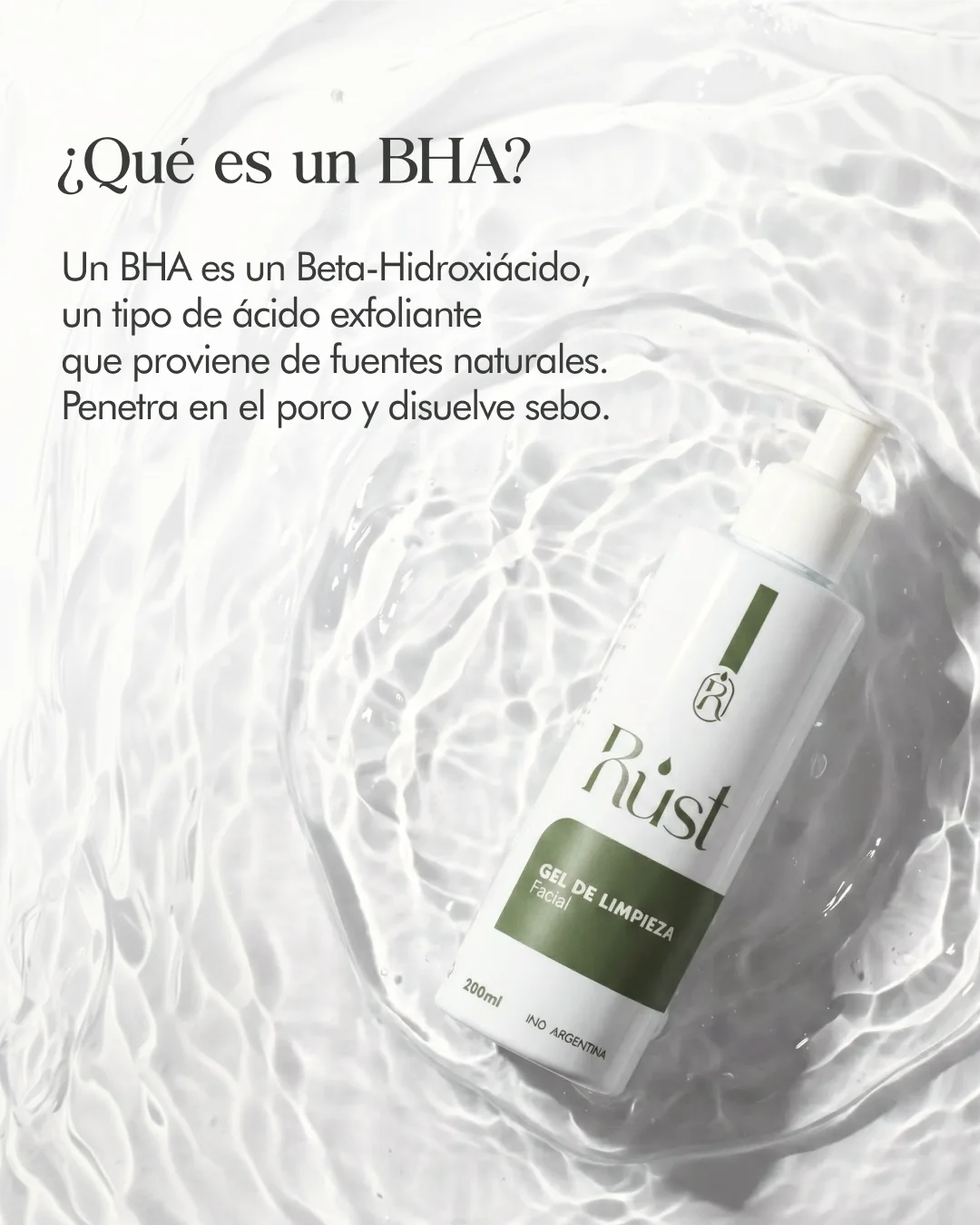
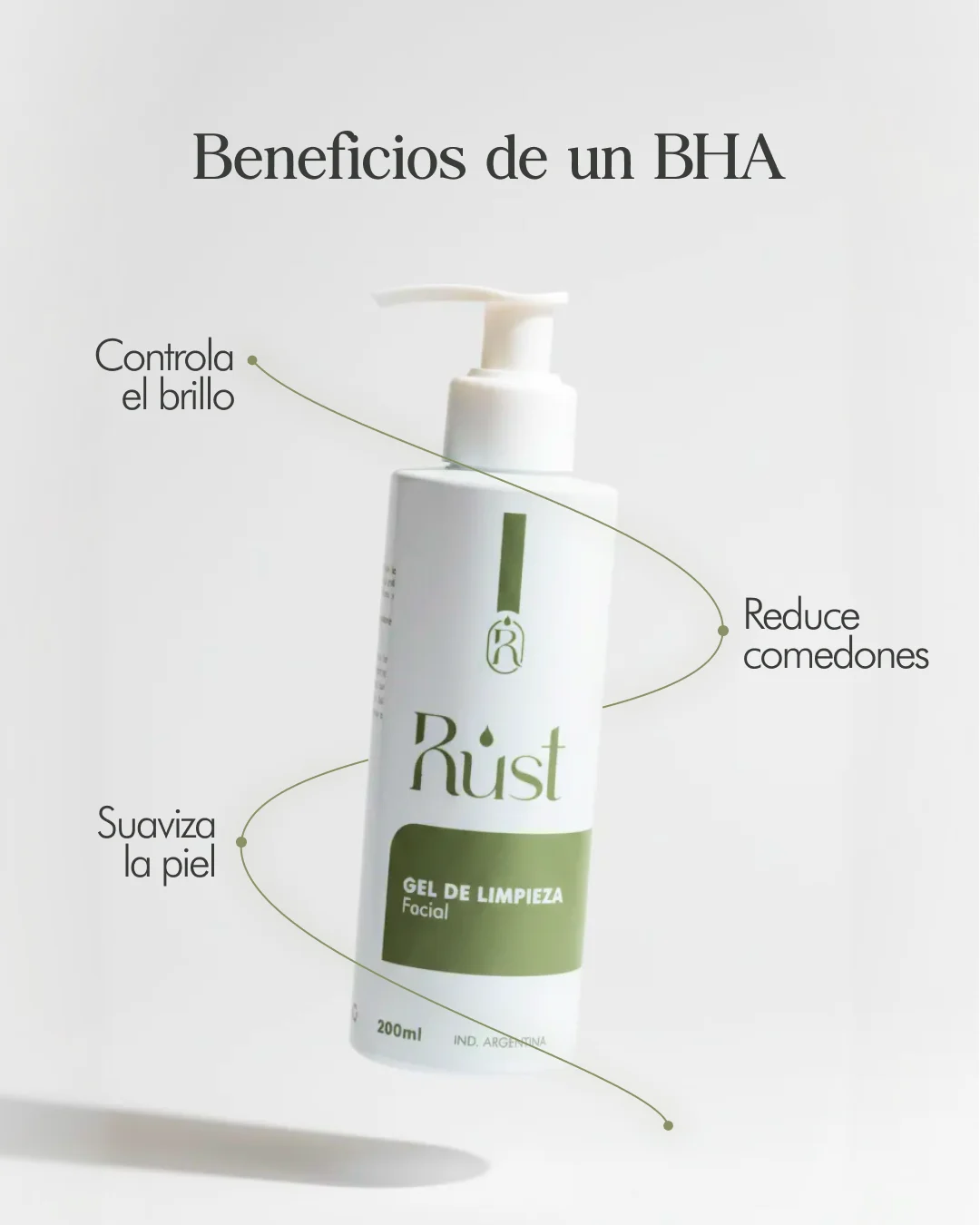
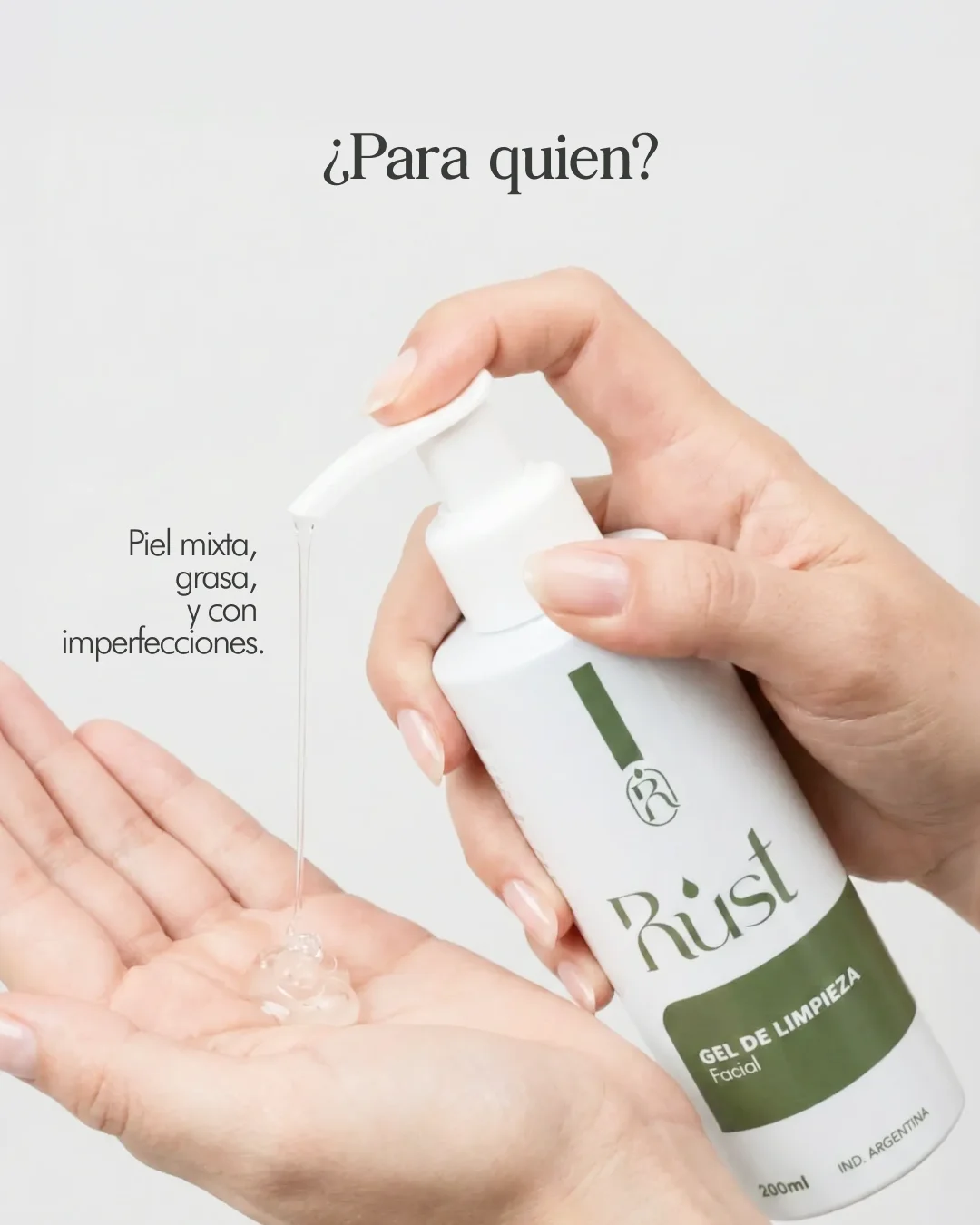
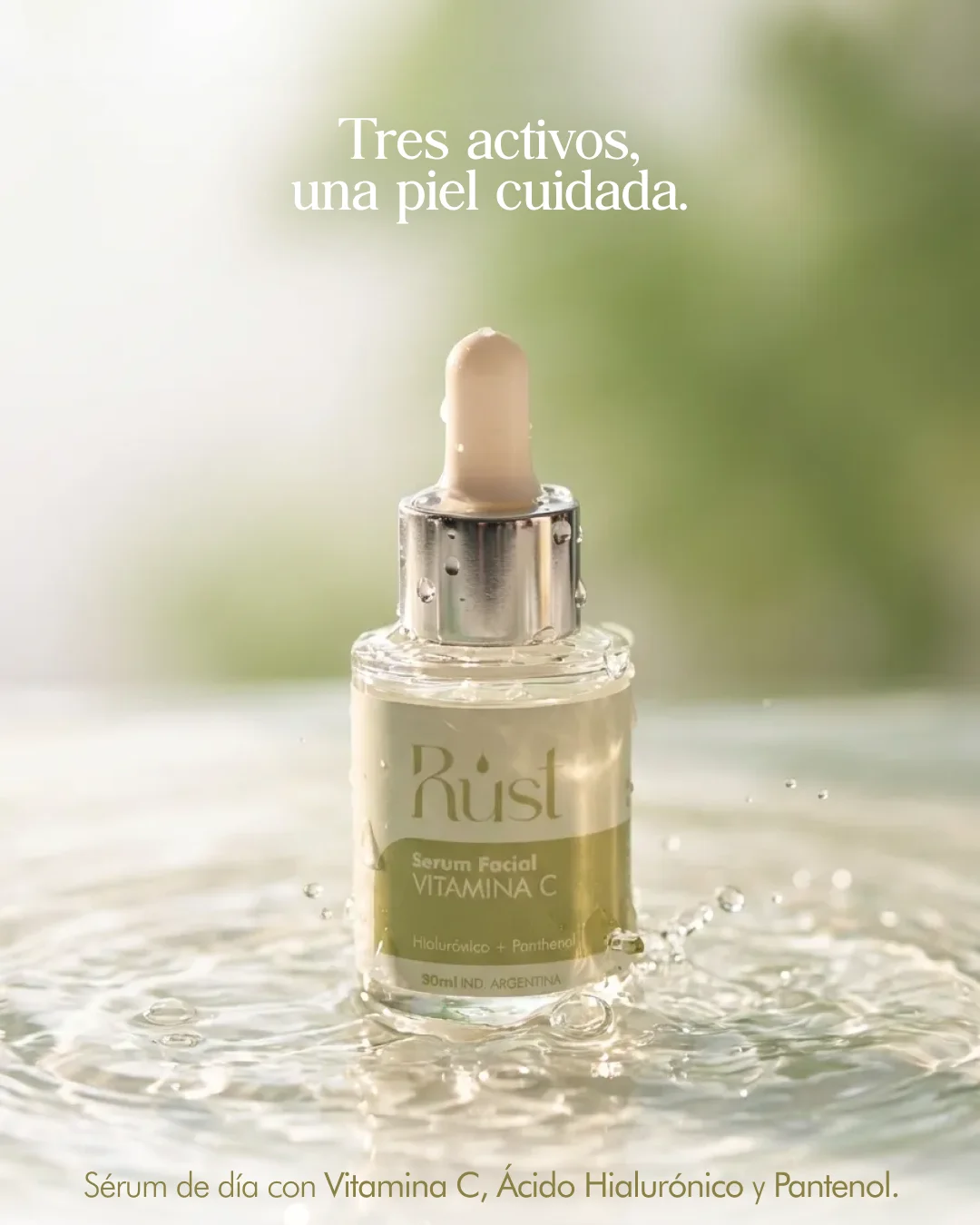
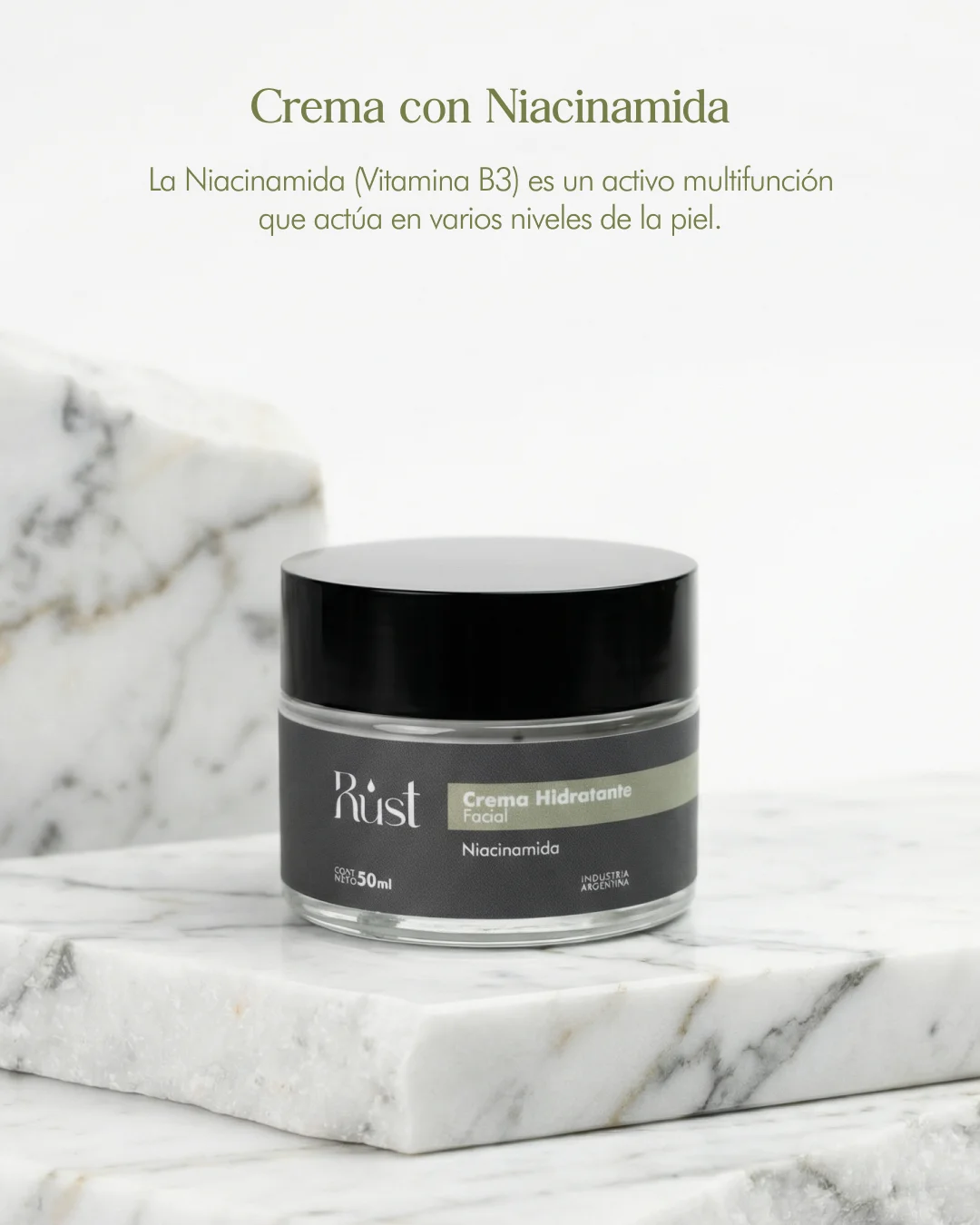
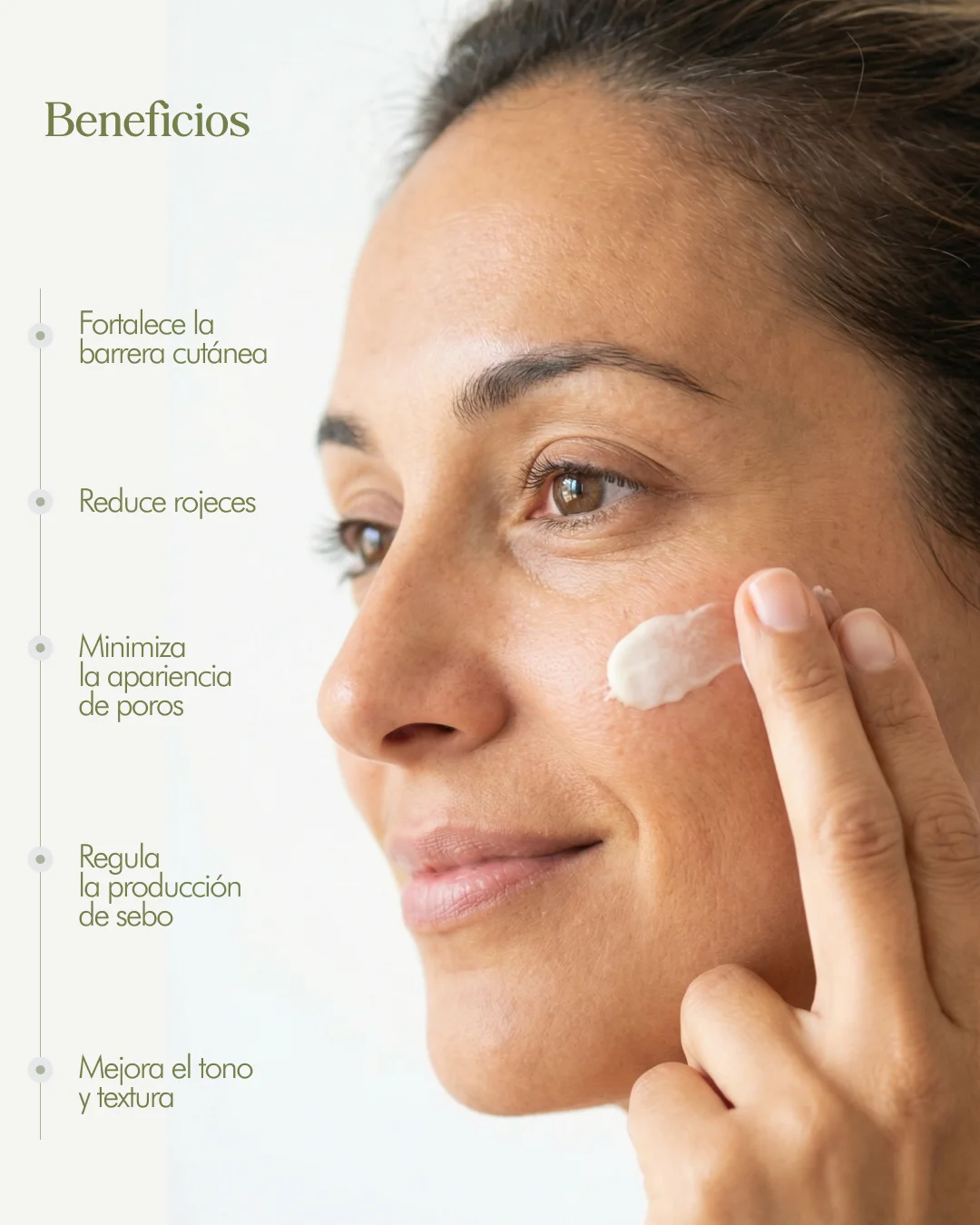
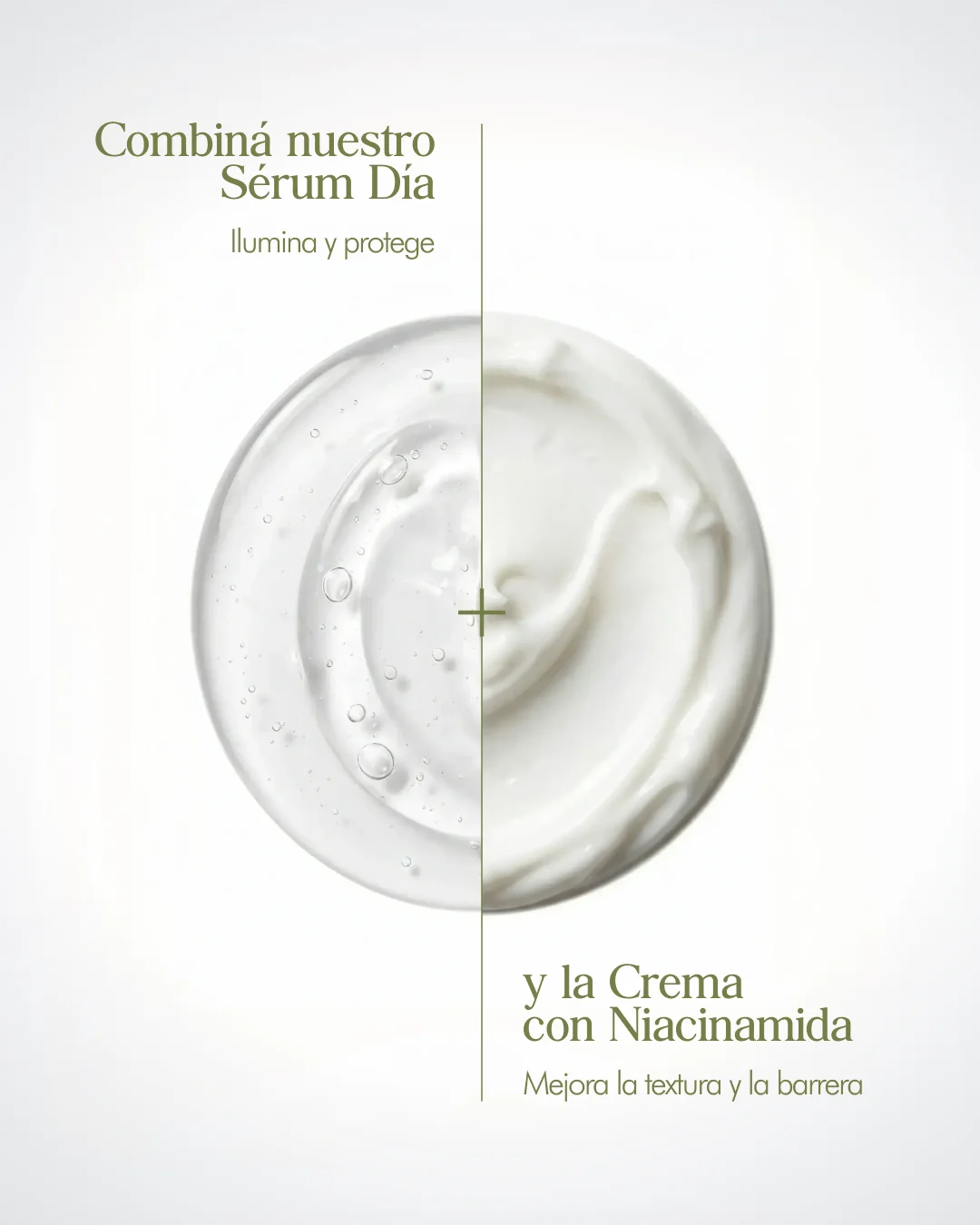
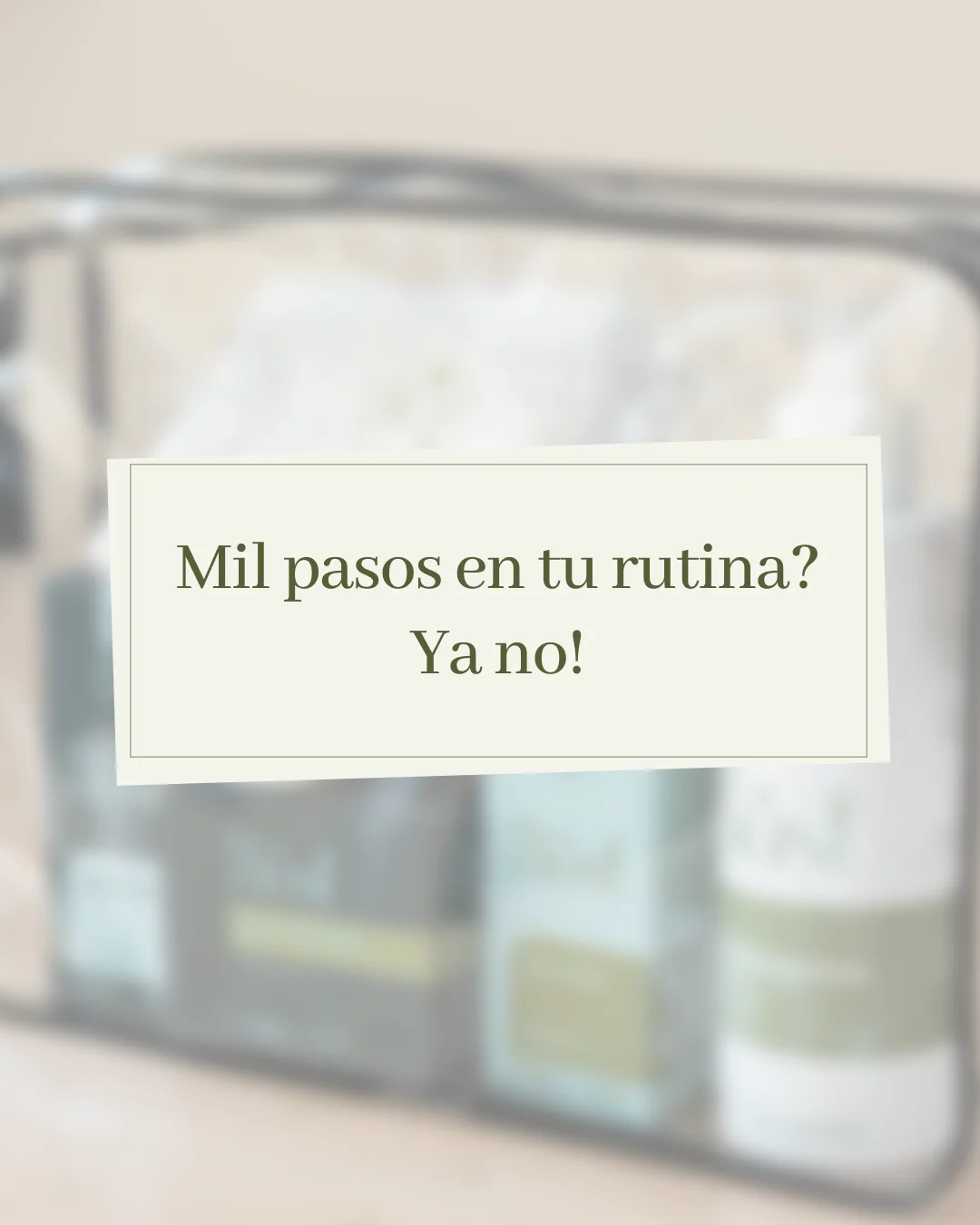
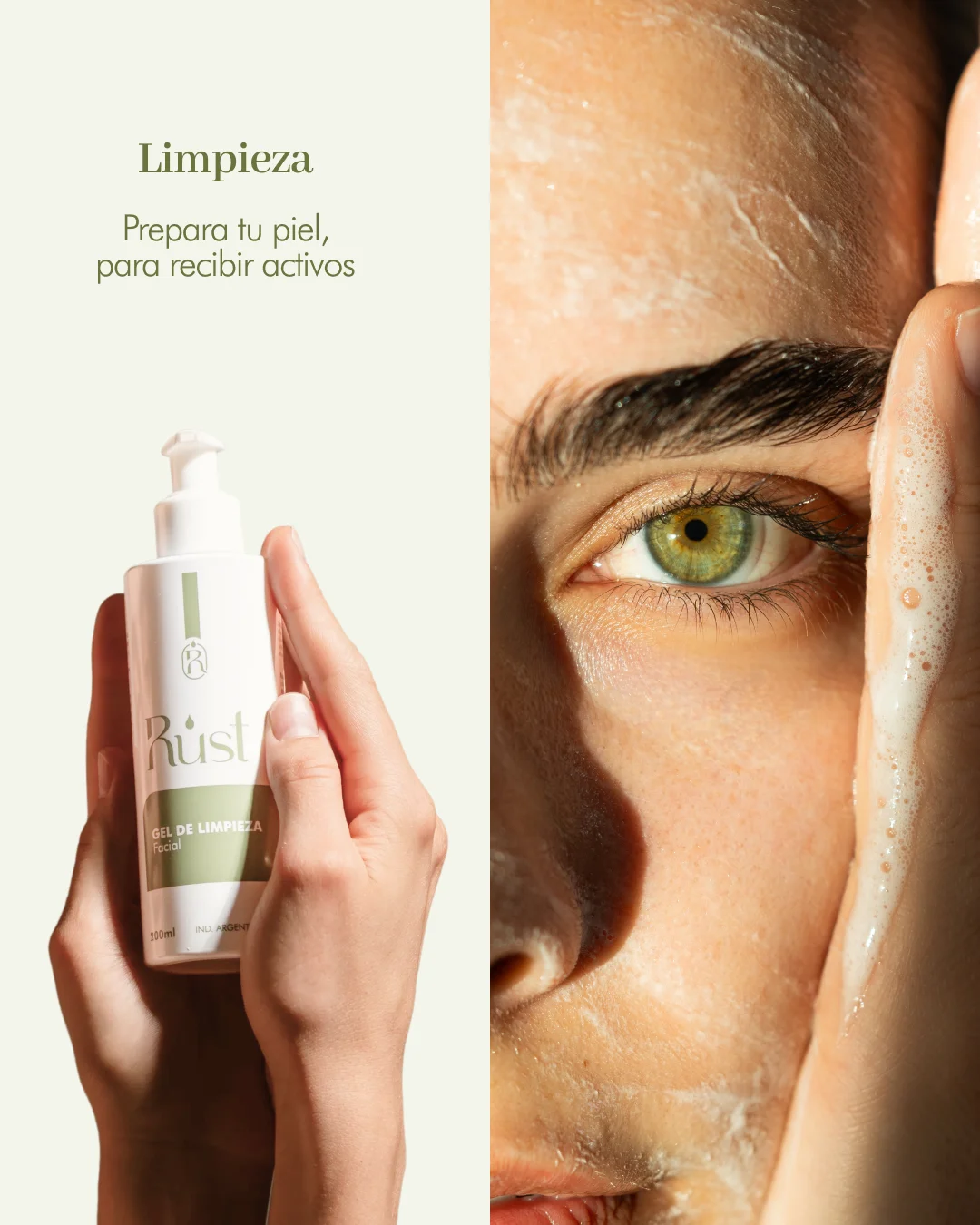
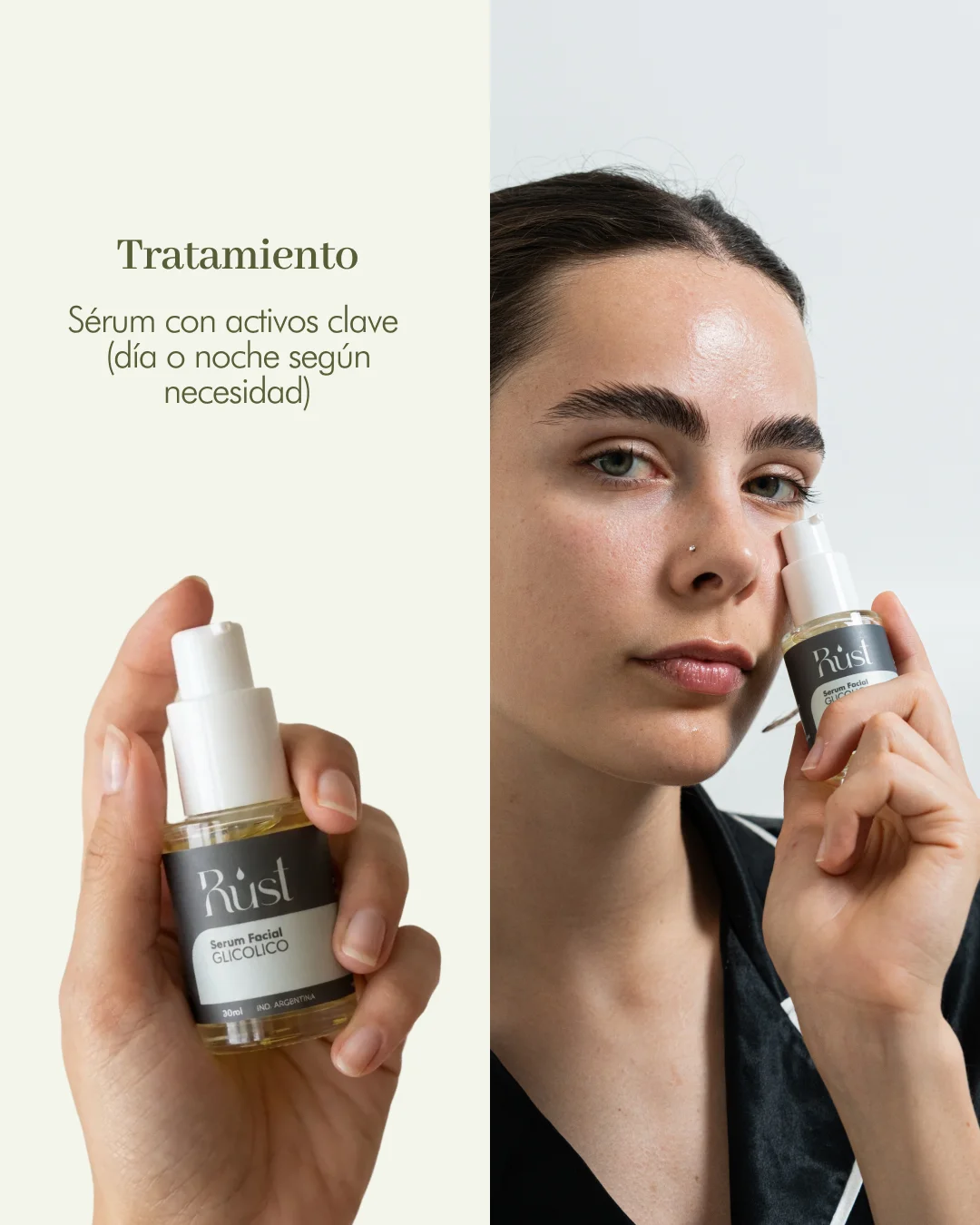
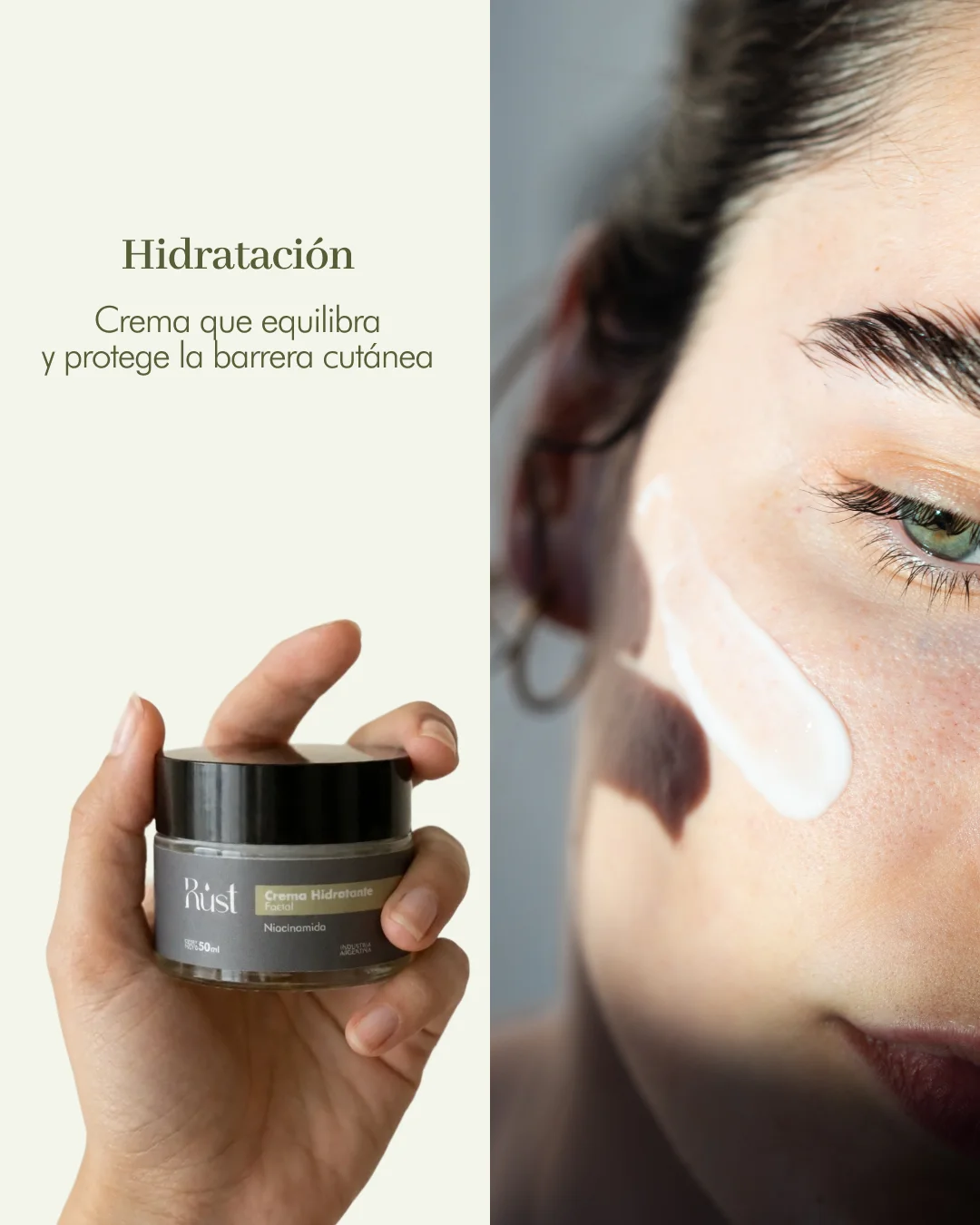
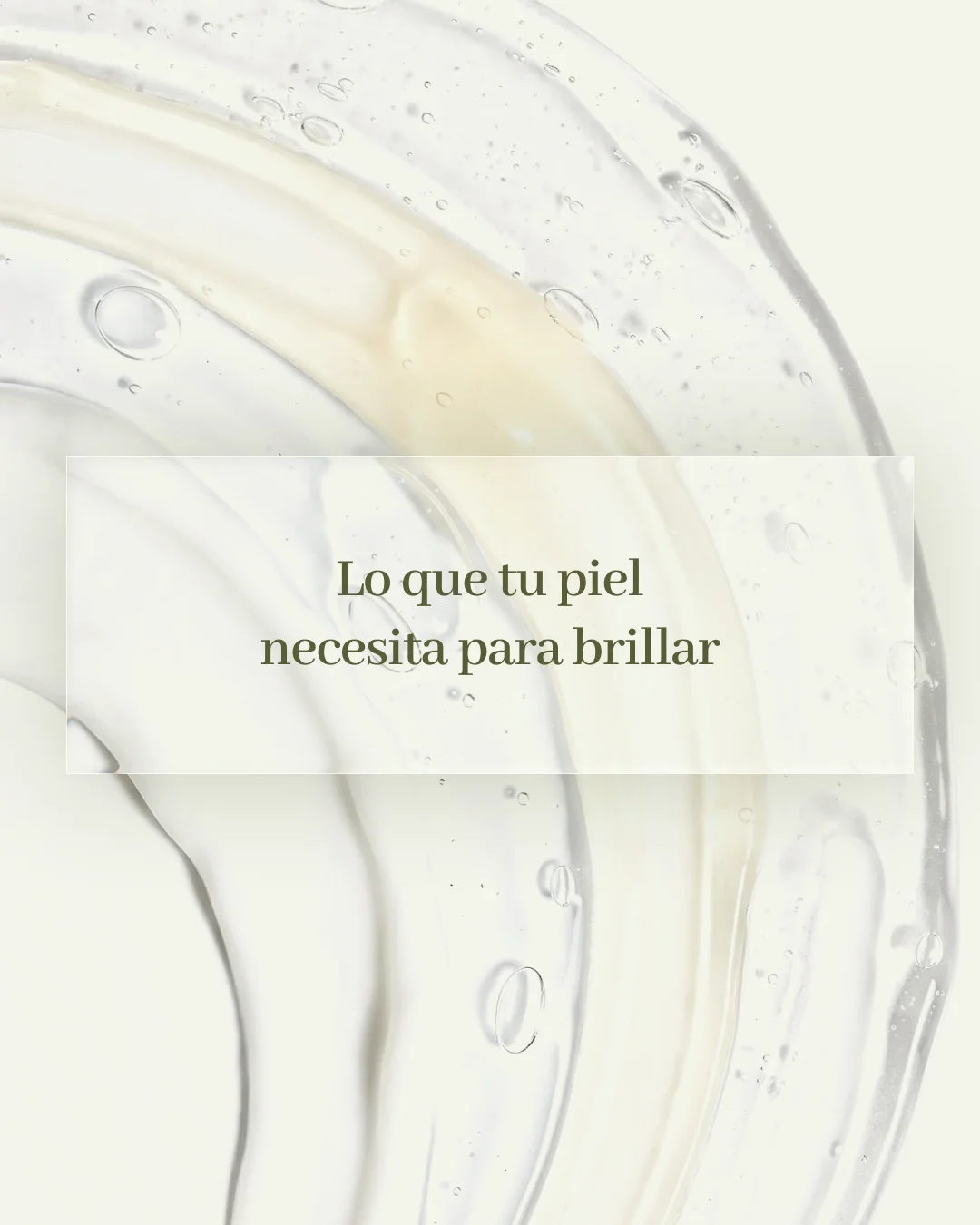
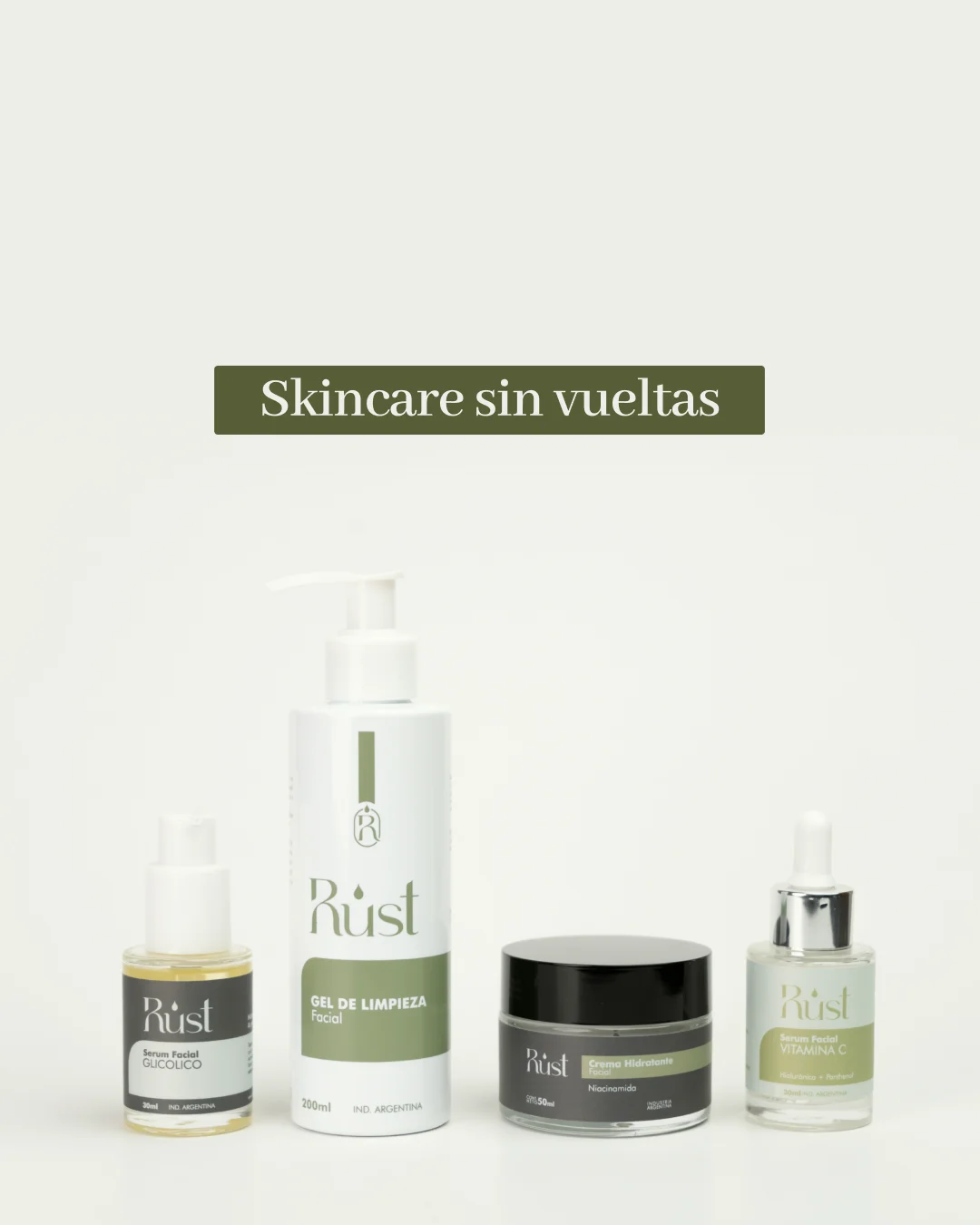
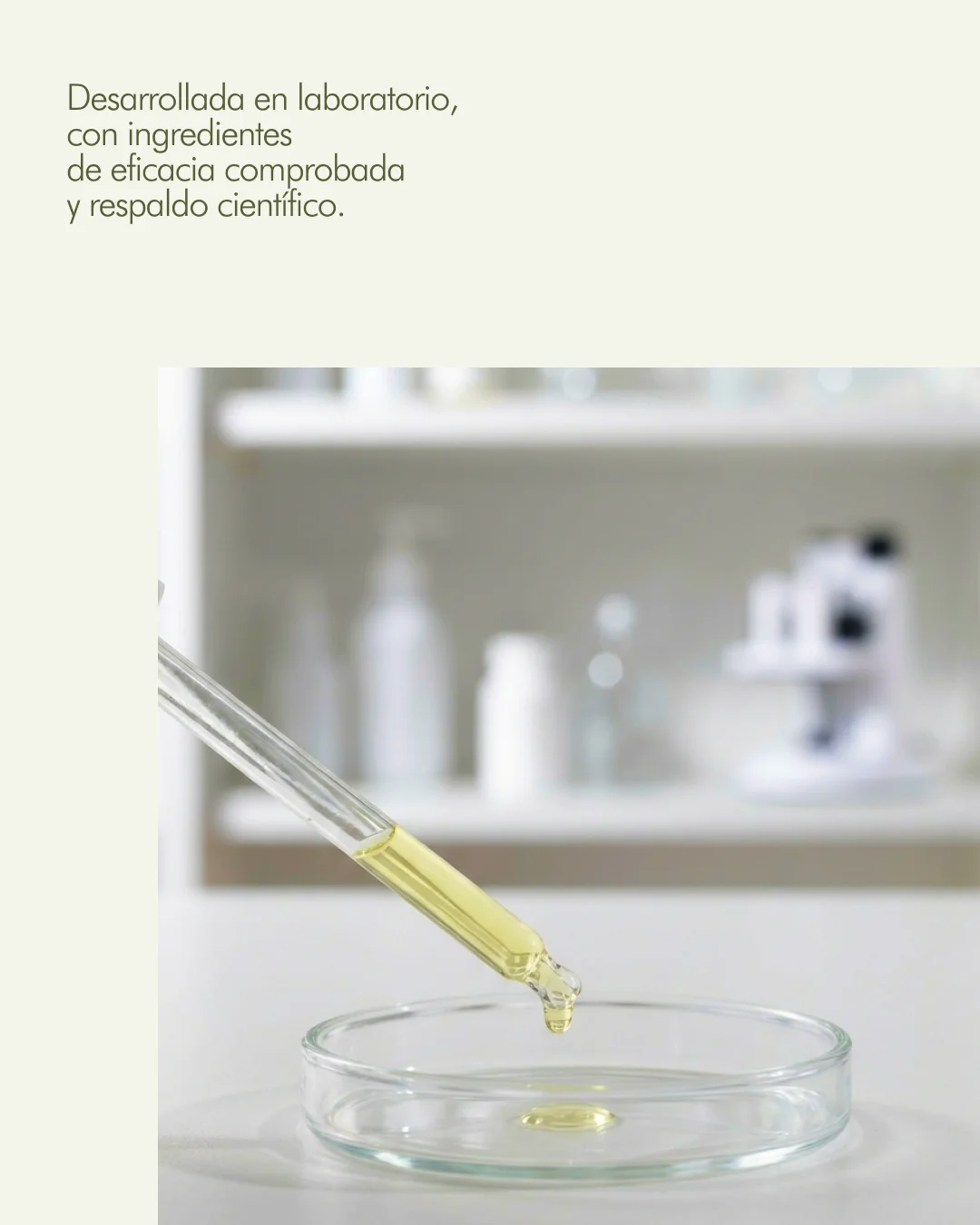
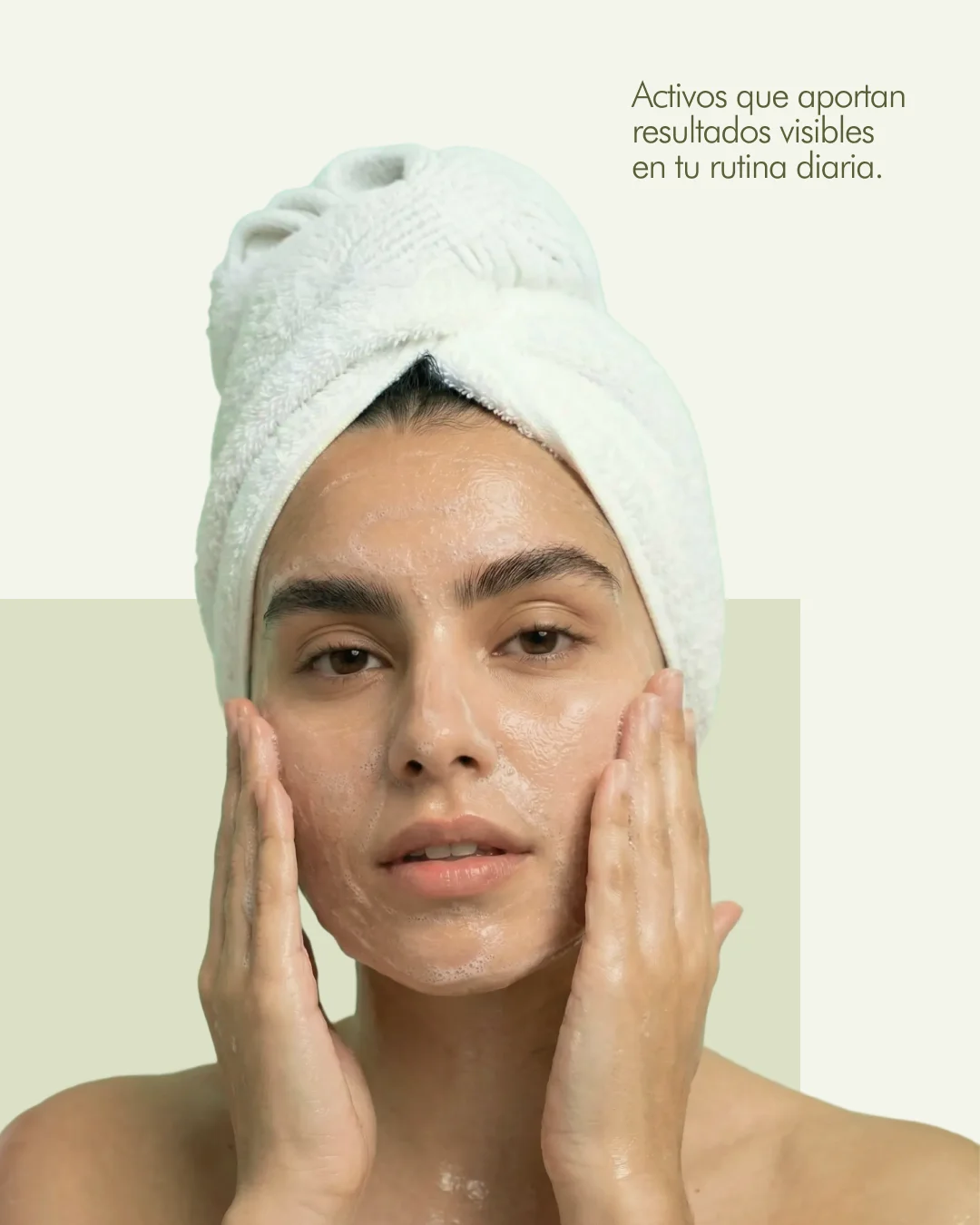
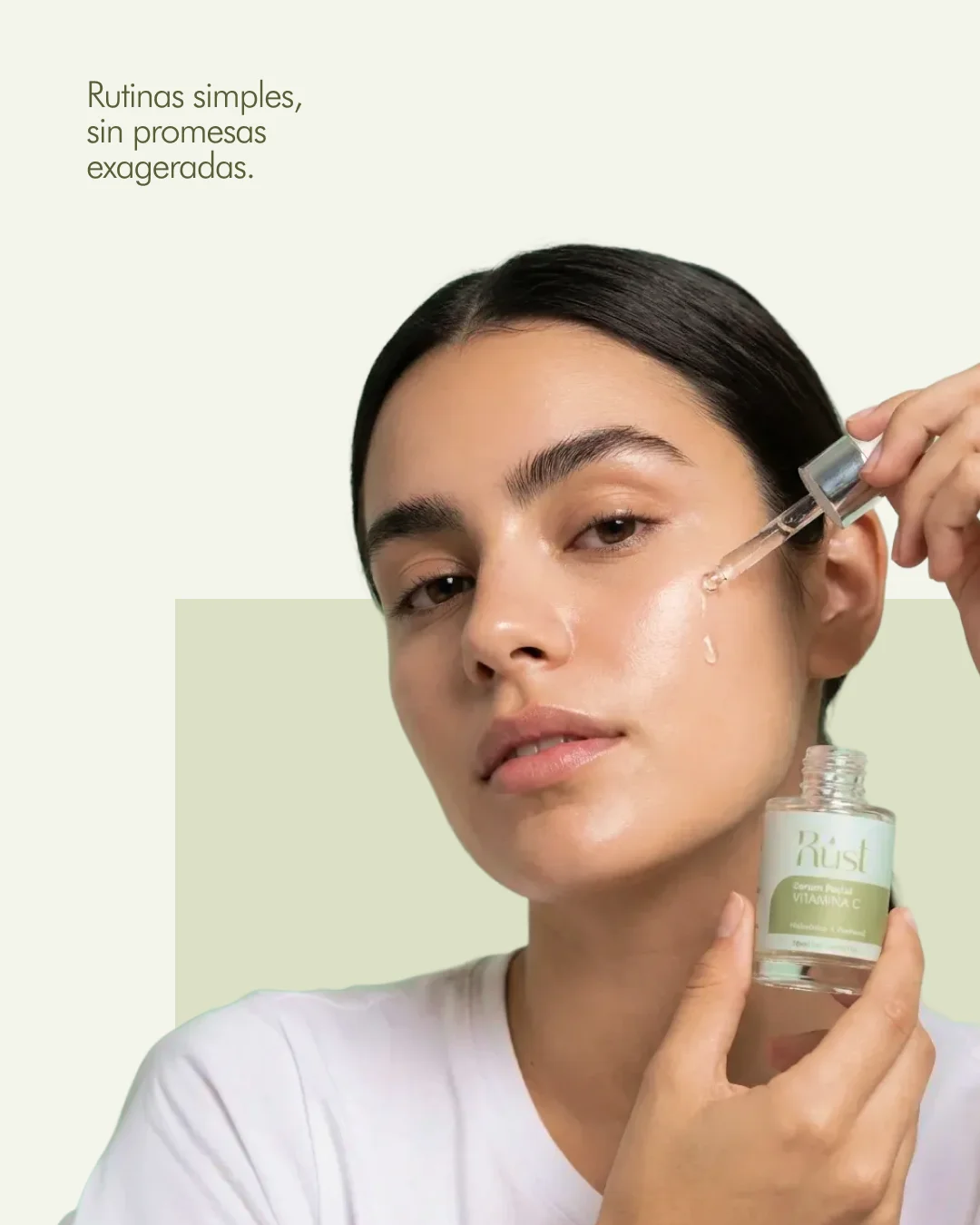
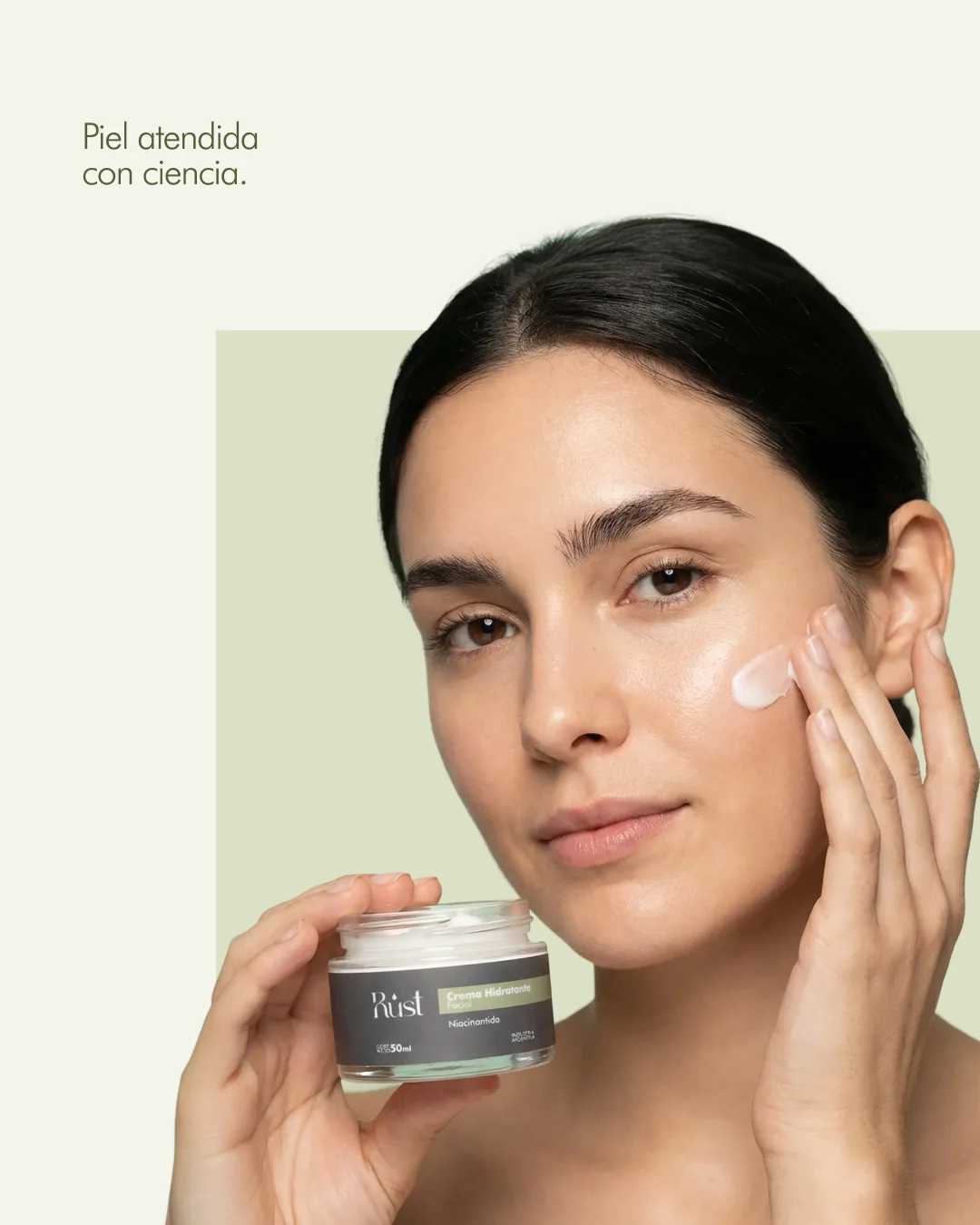
1 / 28
I started with the stylescape to lock in the visual world before touching any formats — typography, palette, photographic direction, and copy tone all resolved at the concept stage. The logo came out of that: an editorial serif wordmark with a custom monogram. The web was structured as a conversion sequence — brand positioning first, product grid second, editorial sections third, social proof last. The Instagram posts were designed as standalone editorial pieces: AI-generated product and lifestyle images art-directed to match the brand's visual language, then composed with the brand's typography and copy.
A complete brand system ready to scale — identity, e-commerce web, and a social content format that can be replicated across any product launch without starting from zero.
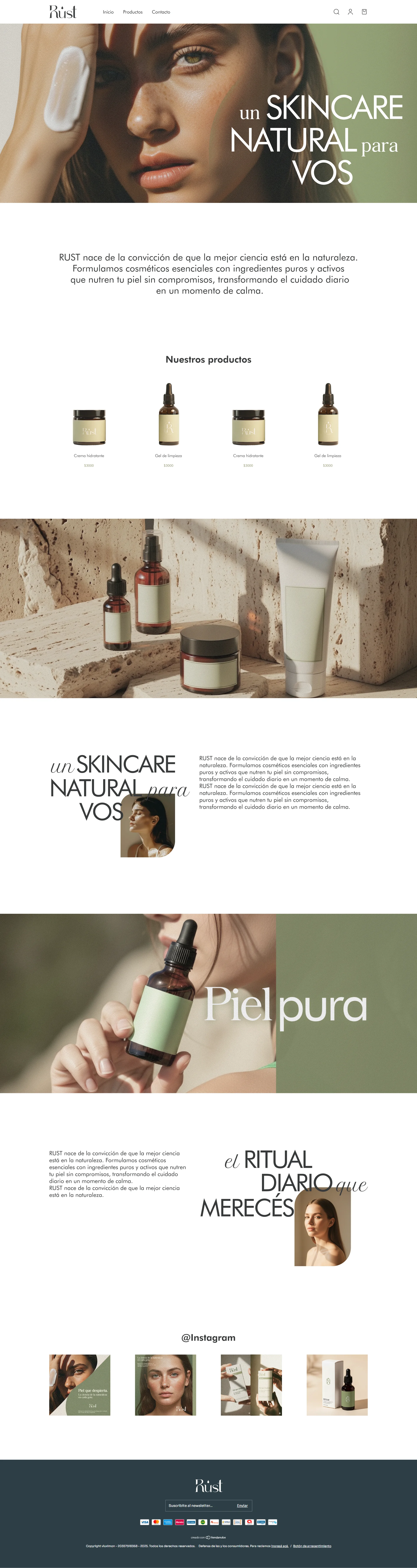
↕ Scroll to explore
At Rust I saw that restraint is a design decision, not a default. Every time the pull was to add more — more texture, more type, more color — the right answer was to take something out. The AI imagery workflow was also a first: treating generated images as raw material to art-direct, rather than as finished assets, changed how I thought about the whole content system.