Case Studies
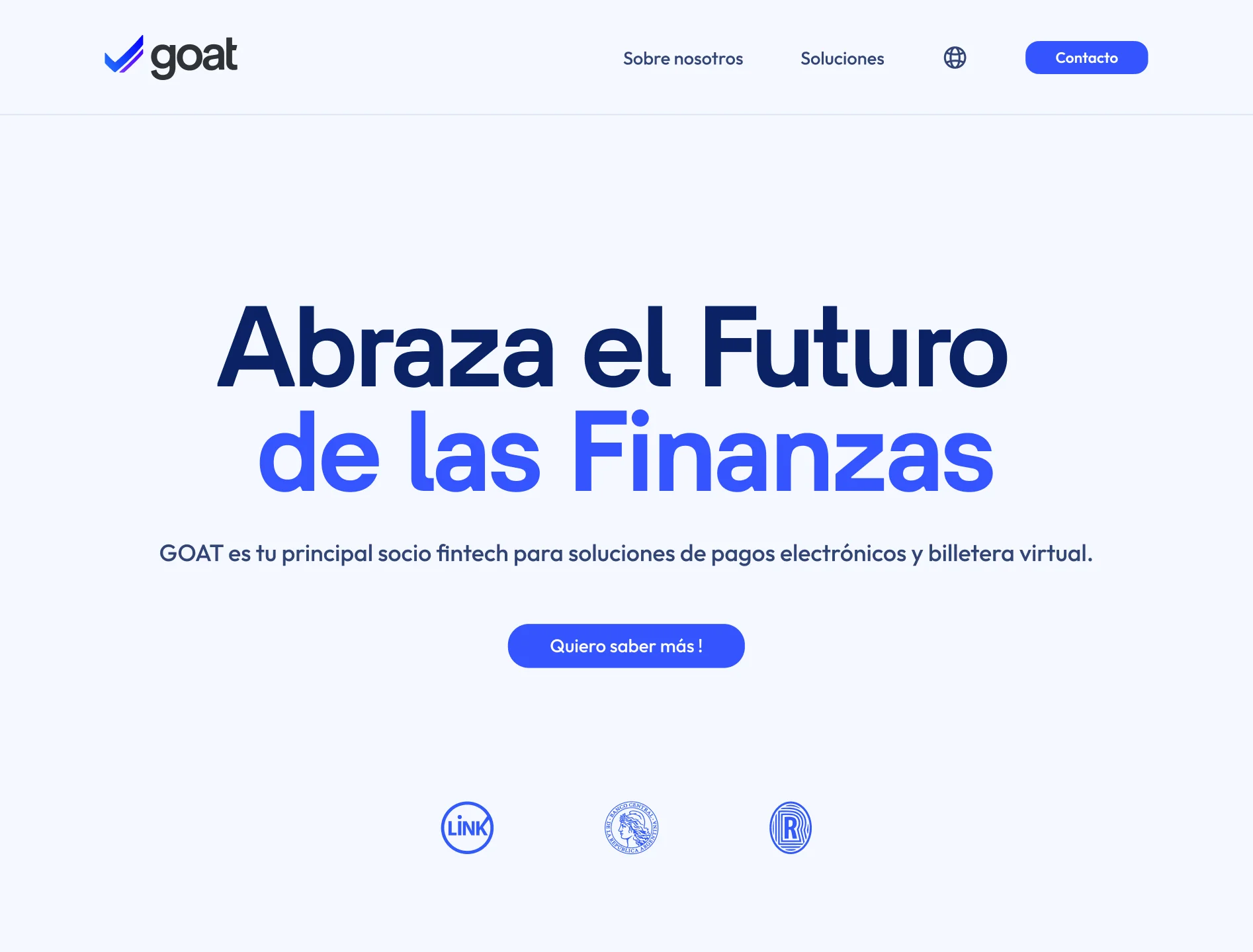
GOAT — Leading Product Expansion in a Fintech Ecosystem
Shifted from UX/UI execution to product ownership — defining which services to build, coordinating integrations with external providers, and leading four designers across the full Rebit ecosystem.
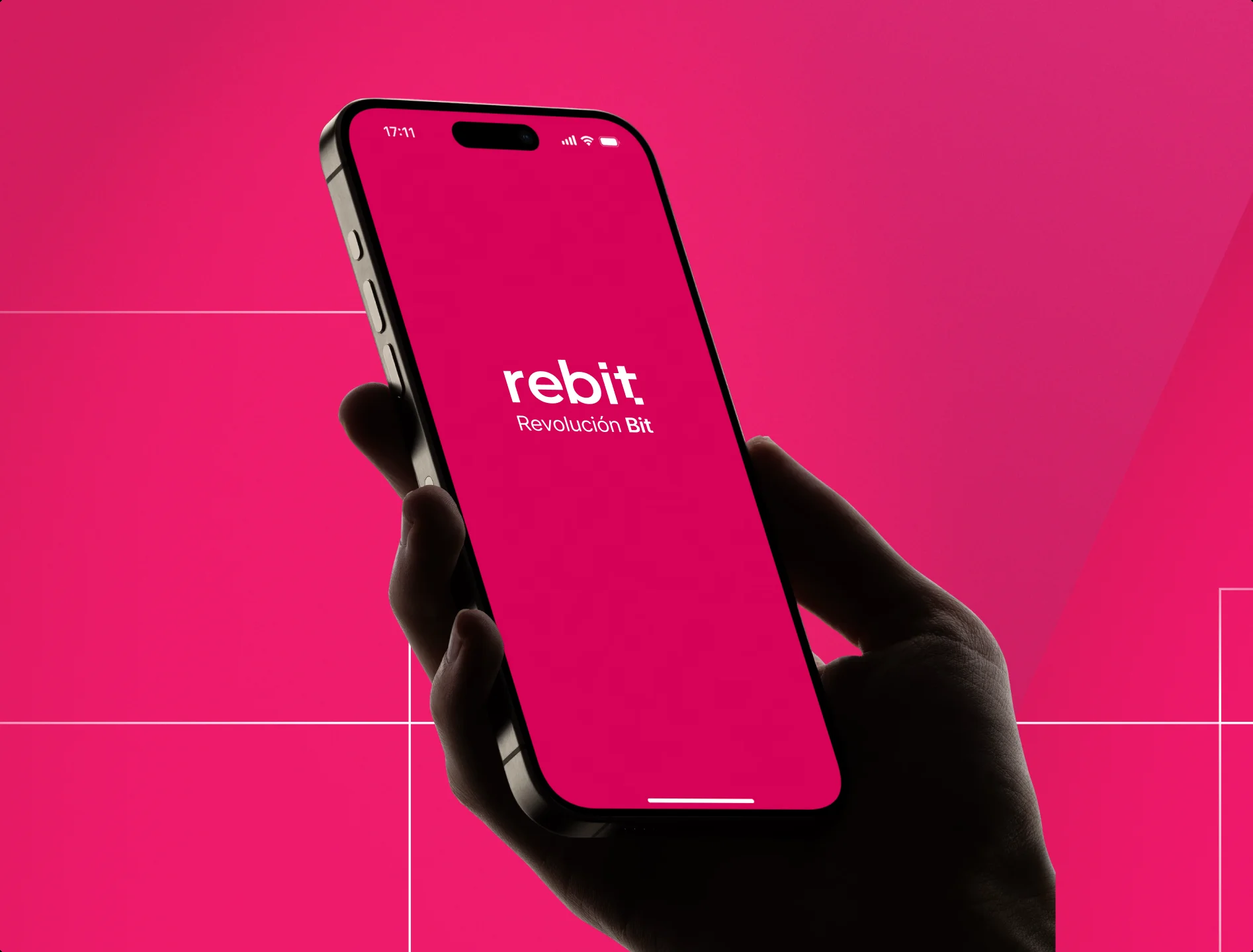
Rebit App
Led the full rebuild of a fintech product — new name, new brand, new design system, from zero documentation to pixel-perfect handoff with development.
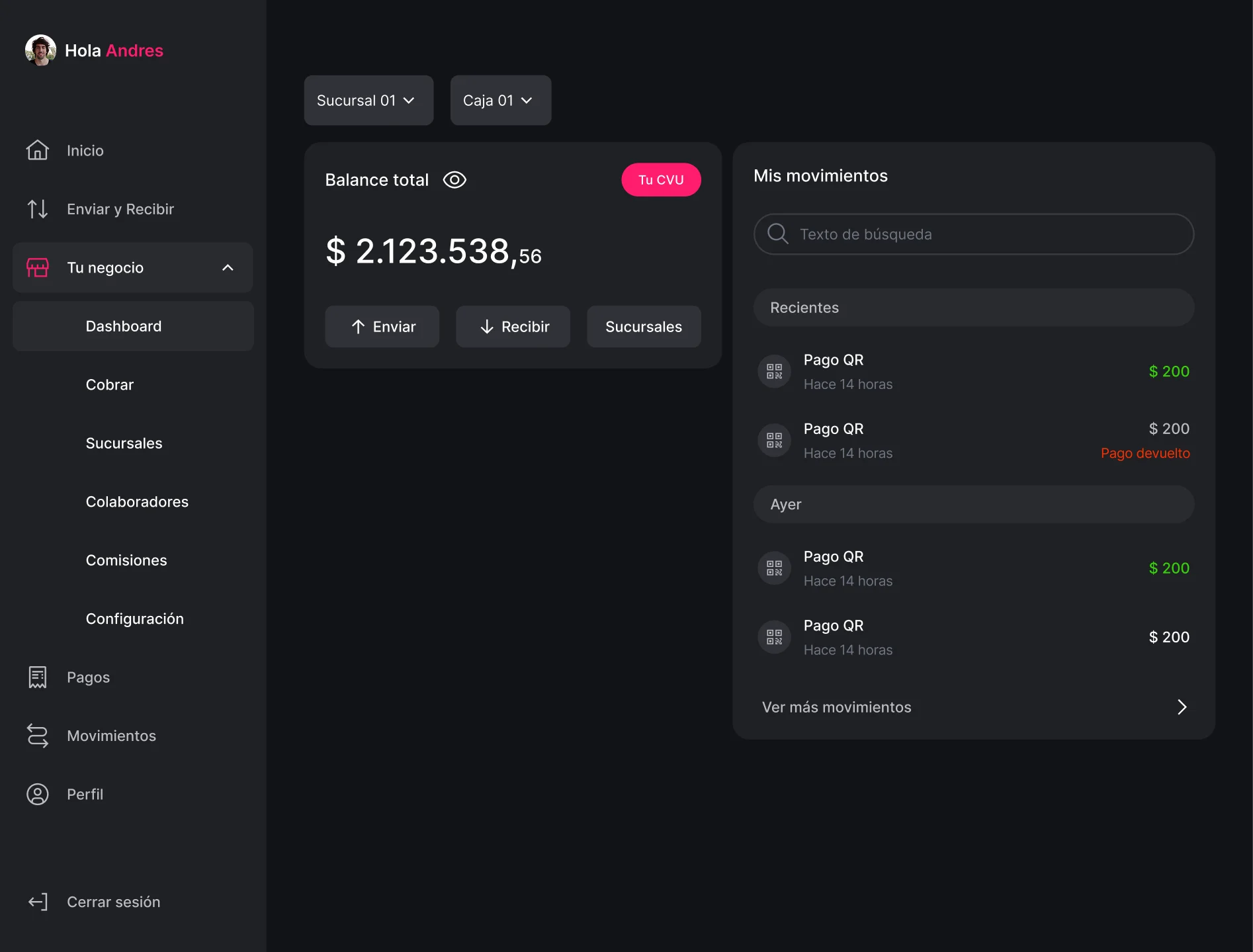
Rebit Comercios — Designing the Revenue Engine of a Fintech
Designed end-to-end from zero — flows, wireframes, high-fidelity handoff. Worked directly with B2B clients to adapt the product to how their businesses actually operate.
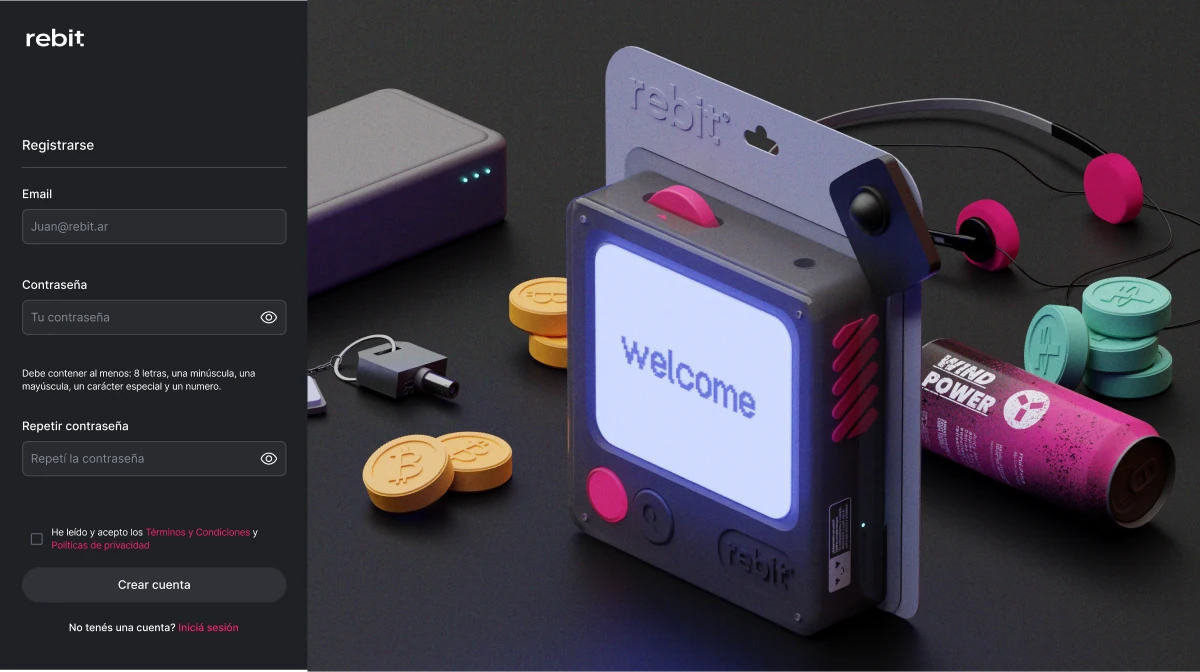
Rebit Wallet
Carried the Rebit brand into the product — onboarding, security flows, and a complete documentation deck for the design system.
Corporación Cápsula — Designing a Tech-Financial Holding from Scratch
Led a team of three designers across brand, web, pitch decks, and physical hardware redesign — building the full identity of a holding under investor pressure and tight deadlines. This is where industrial design and digital work converged for the first time.

Additional projects across branding, web and product design.
Gaucho House
Wholesale catalog and sub-brand identity for an Argentine leather house.
Rust
Brand identity, web and social content for a natural skincare brand.
Emuná
Brand, packaging and product development for a ritual tea brand.
Fanec
Branding and web design for an industrial construction firm.
Explora Islandia
Web design and UX for a premium tour operator.